Choosing and living with hearing aids: rechargeable or battery, Bluetooth streaming, hearing features in earbuds and glasses, and what the evidence says about starting early. Every good fitting starts with knowing your hearing, so book a free hearing screening and a clinician will tell you whether hearing aids could help.
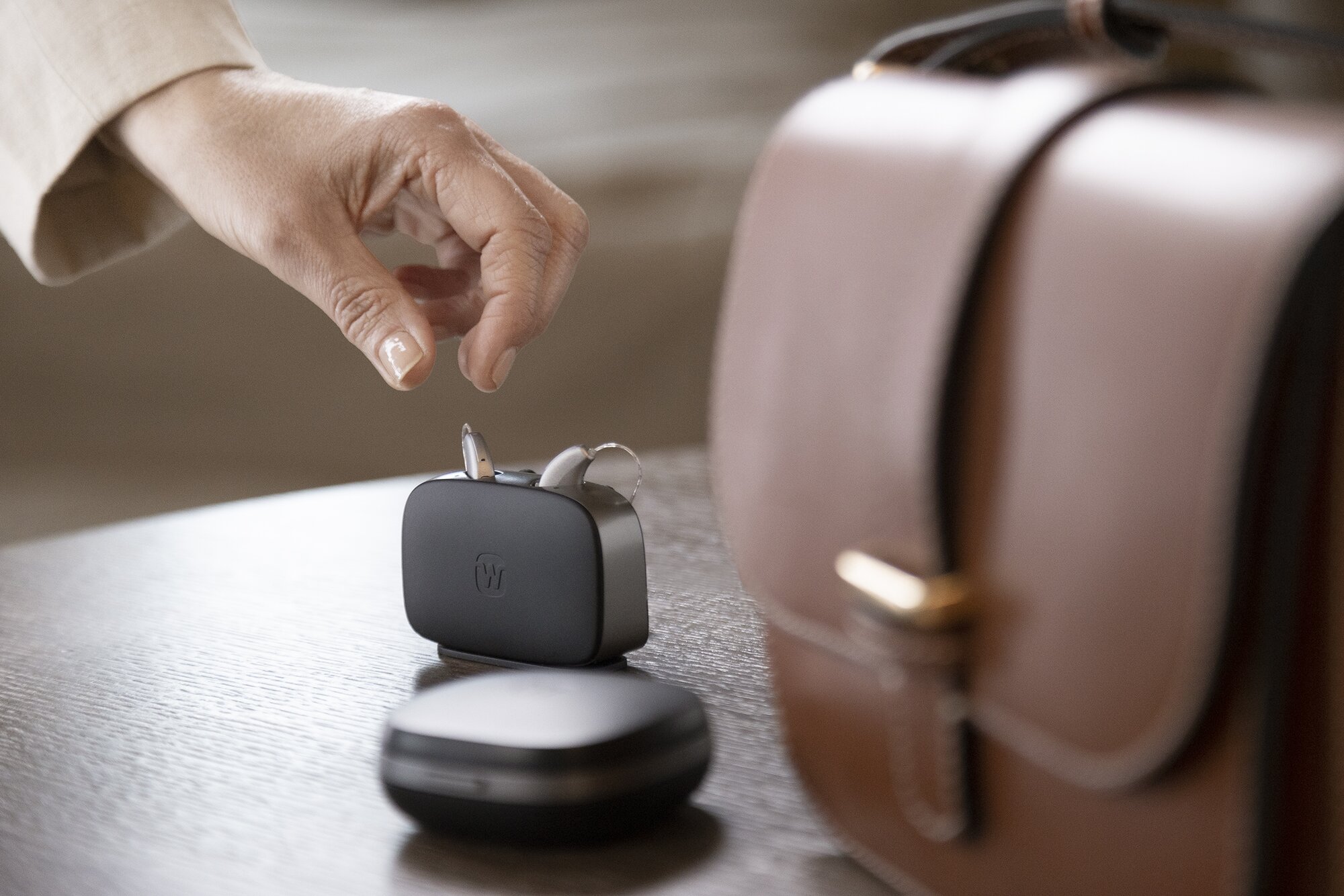
Bluetooth hearing aids stream calls, music and media directly—offering clearer, hands-free listening. Real benefits depend on fit, battery and clinical support.
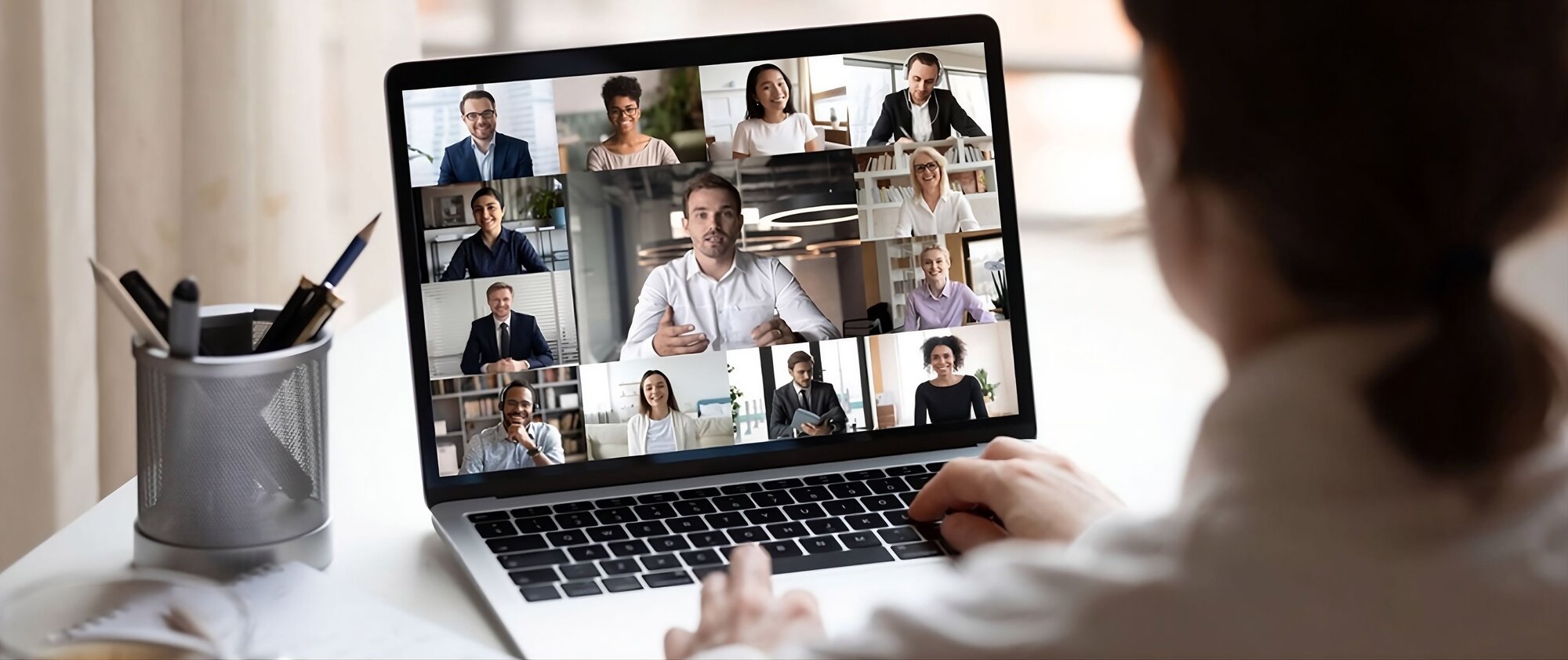
Better hearing tech and simple meeting tweaks reduce listening fatigue in virtual calls, helping people with hearing loss stay engaged and productive.
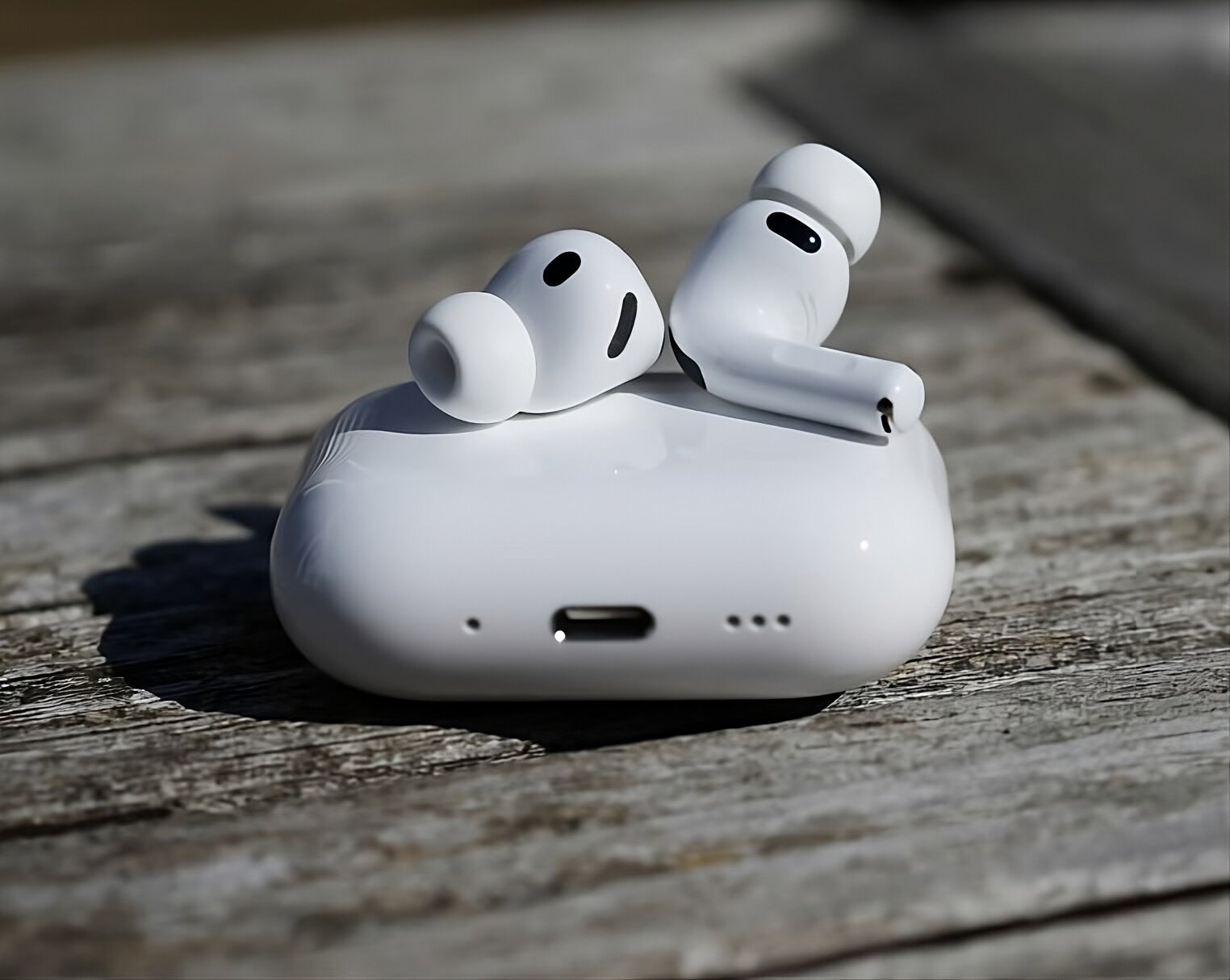
AirPods Pro 3 cleared as OTC hearing aids in the US, sparking debate in the UK over affordability, access and whether earbuds can replace clinical hearing care.
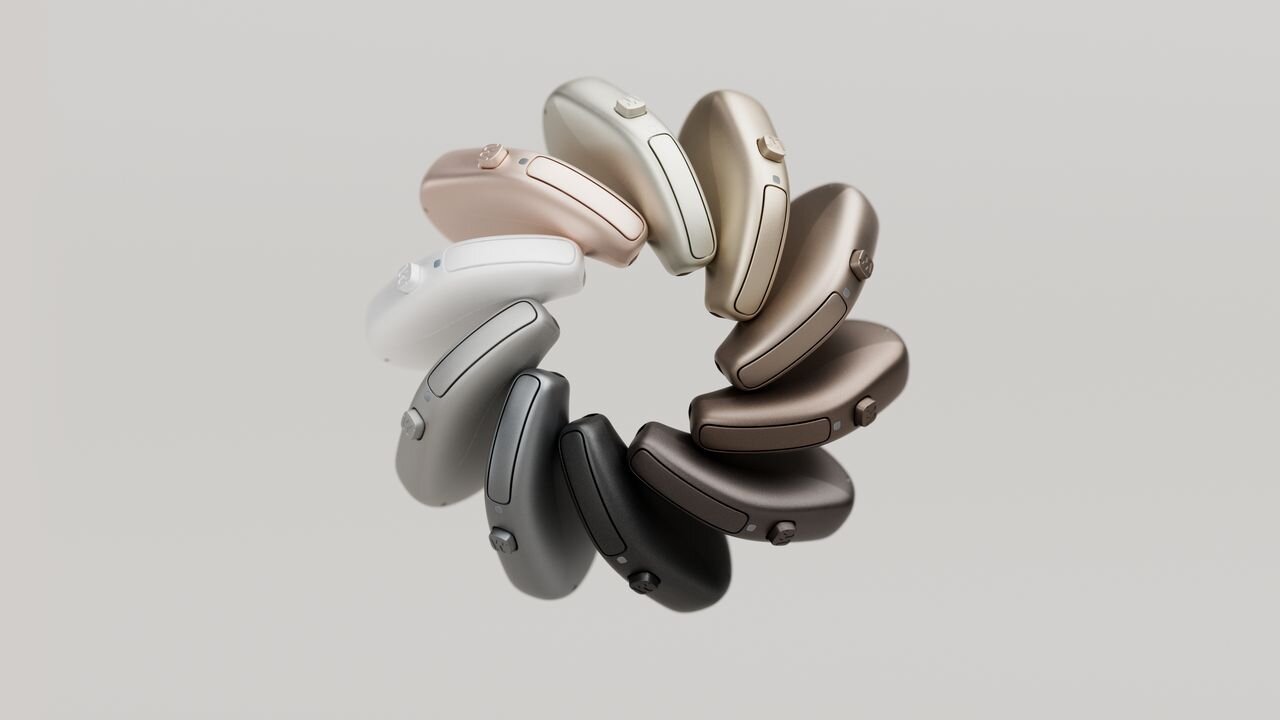
Inclusive hearing aid tubing shades reduce stigma and boost access by matching devices to diverse skin tones.

Inclusive classroom design, assistive tech and evidence-based teacher strategies help children with cochlear implants thrive academically and socially.
Auracast streams live audio over Bluetooth LE to hearing aids and earbuds, making public venues accessible to people with hearing loss without headsets.
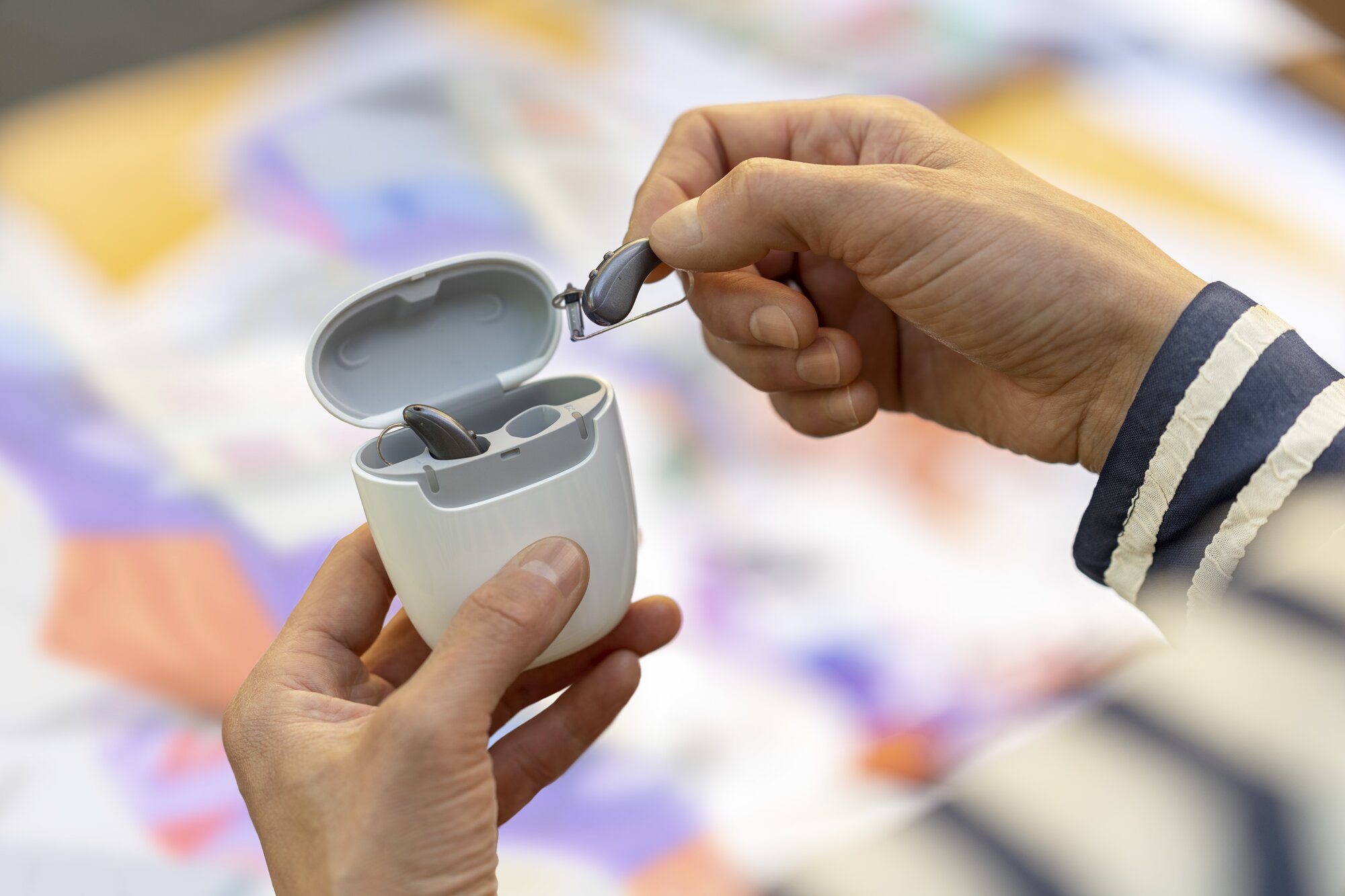
Study finds using hearing aids before 70, especially in your 60s, may cut dementia risk by up to 61%, and early treatment preserves cognition and social life.
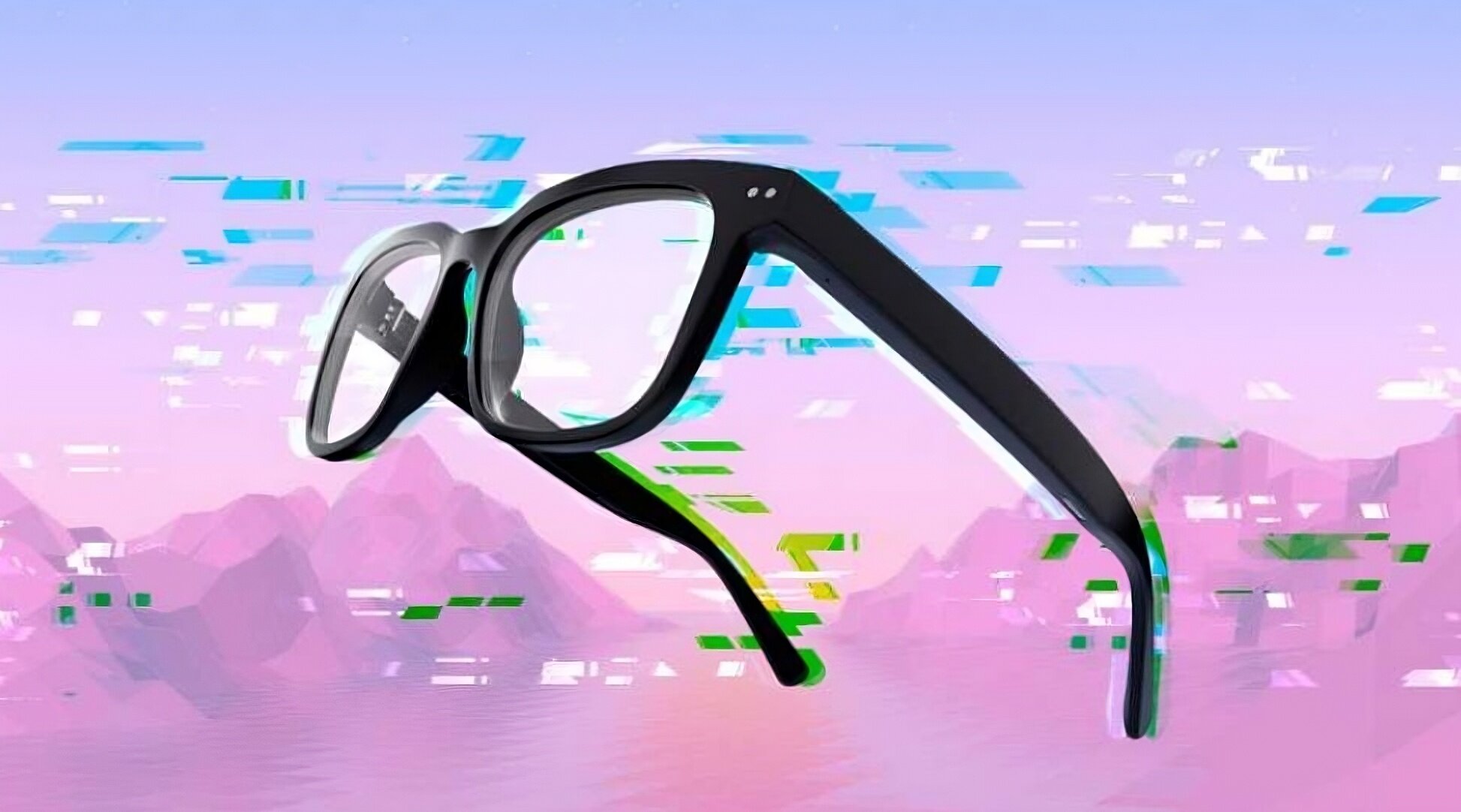
AI smart glasses use lip reading and audio processing to isolate voices in noisy places, boosting clarity for hearing aid users while raising privacy concerns.
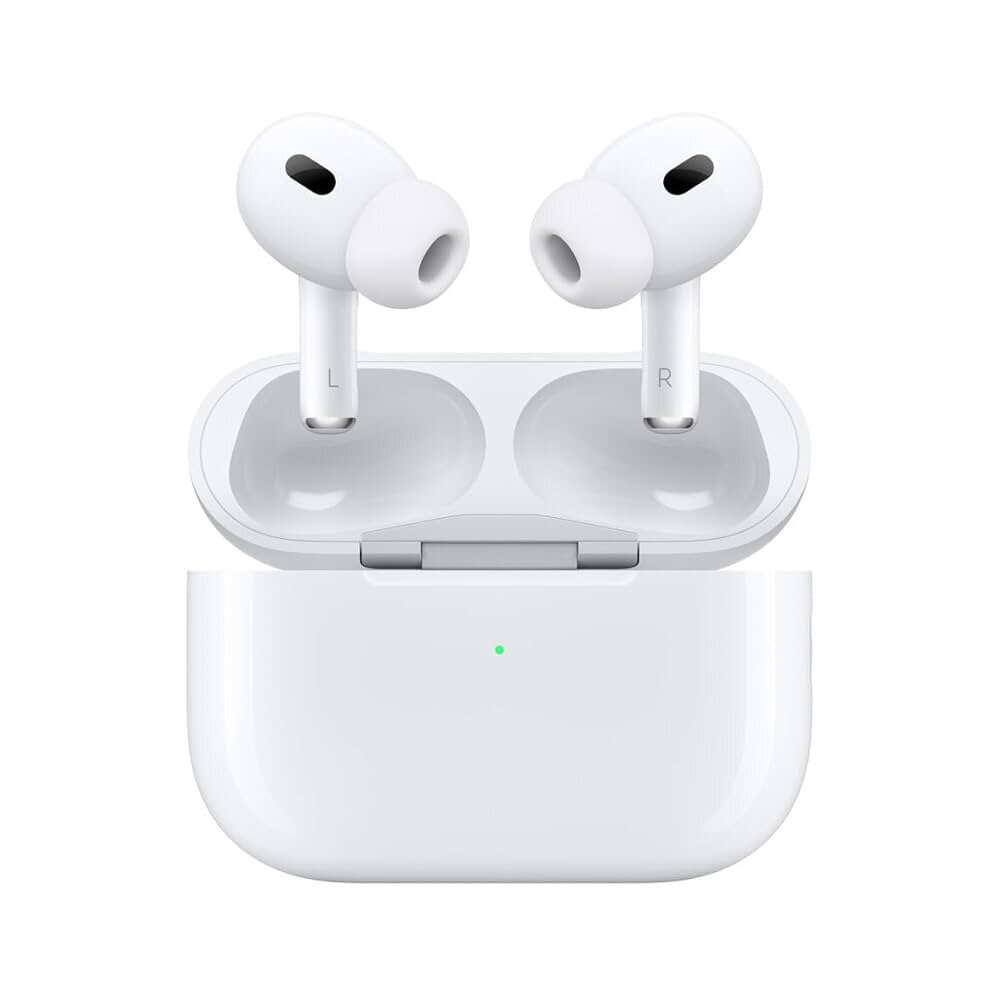
Stigma keeps many people from using hearing aids. Consumer tech such as AirPods Pro 2 could make help for mild hearing loss more accessible.
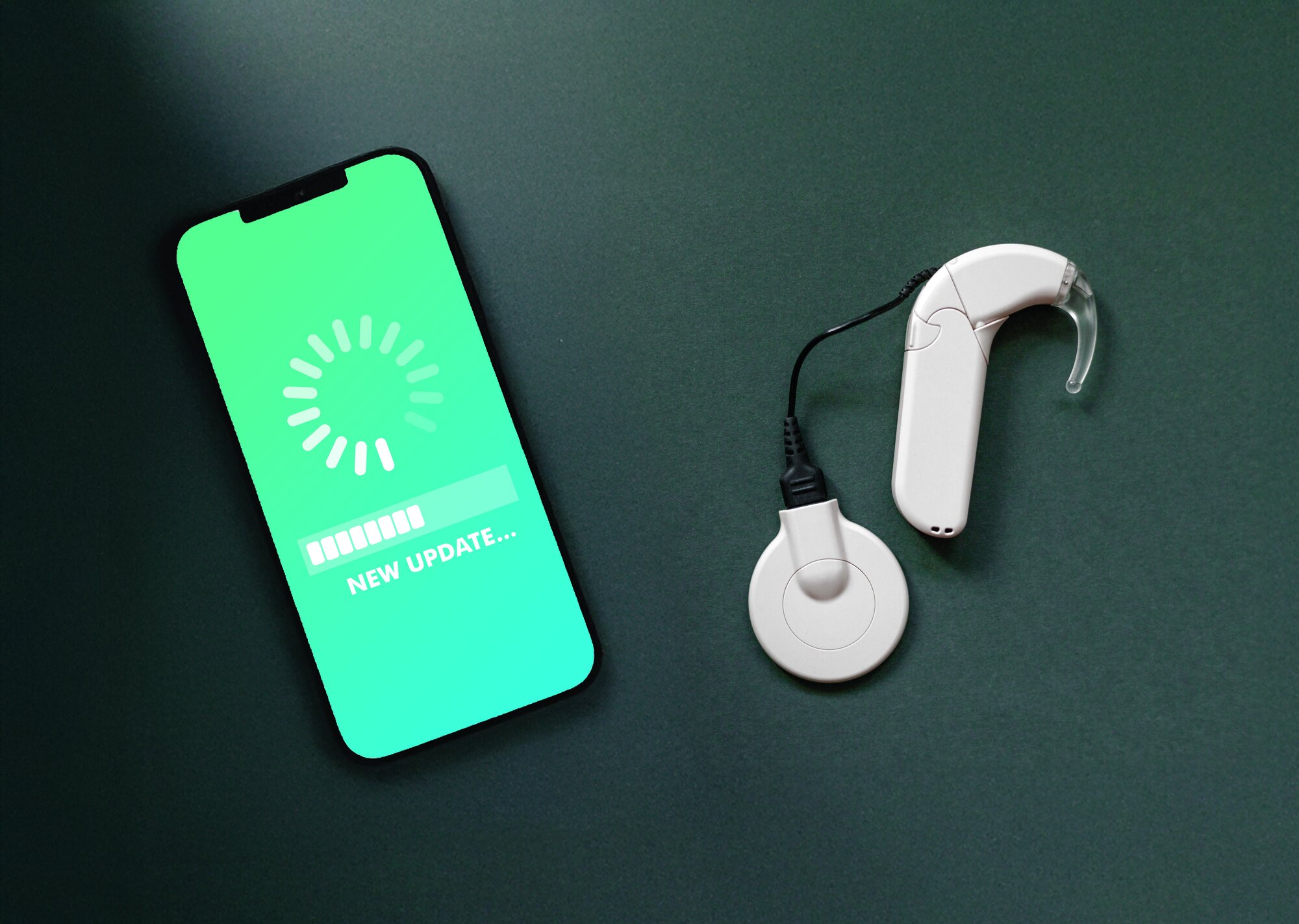
Cochlear’s Nucleus Nexa implants take wireless software updates without surgery, with rechargeable processors and app-based tuning.
A curated note from the Hearology Newsroom: the best new guidance from our clinicians. We will email you when the first issue is ready. No noise, easy to unsubscribe.