
On this page ▾
Key takeaways
- Cochlear says its Nucleus Nexa implant has firmware that can be updated without further surgery.
- Until now, only the external sound processor of a cochlear implant could be upgraded.
- The Nexa implant stores a user's hearing settings, so they can move to a new processor.
- The July 2025 announcement cited US FDA approval; ask your implant centre about UK availability.
- The NHS says implants may suit severe, permanent hearing loss that hearing aids do not help.
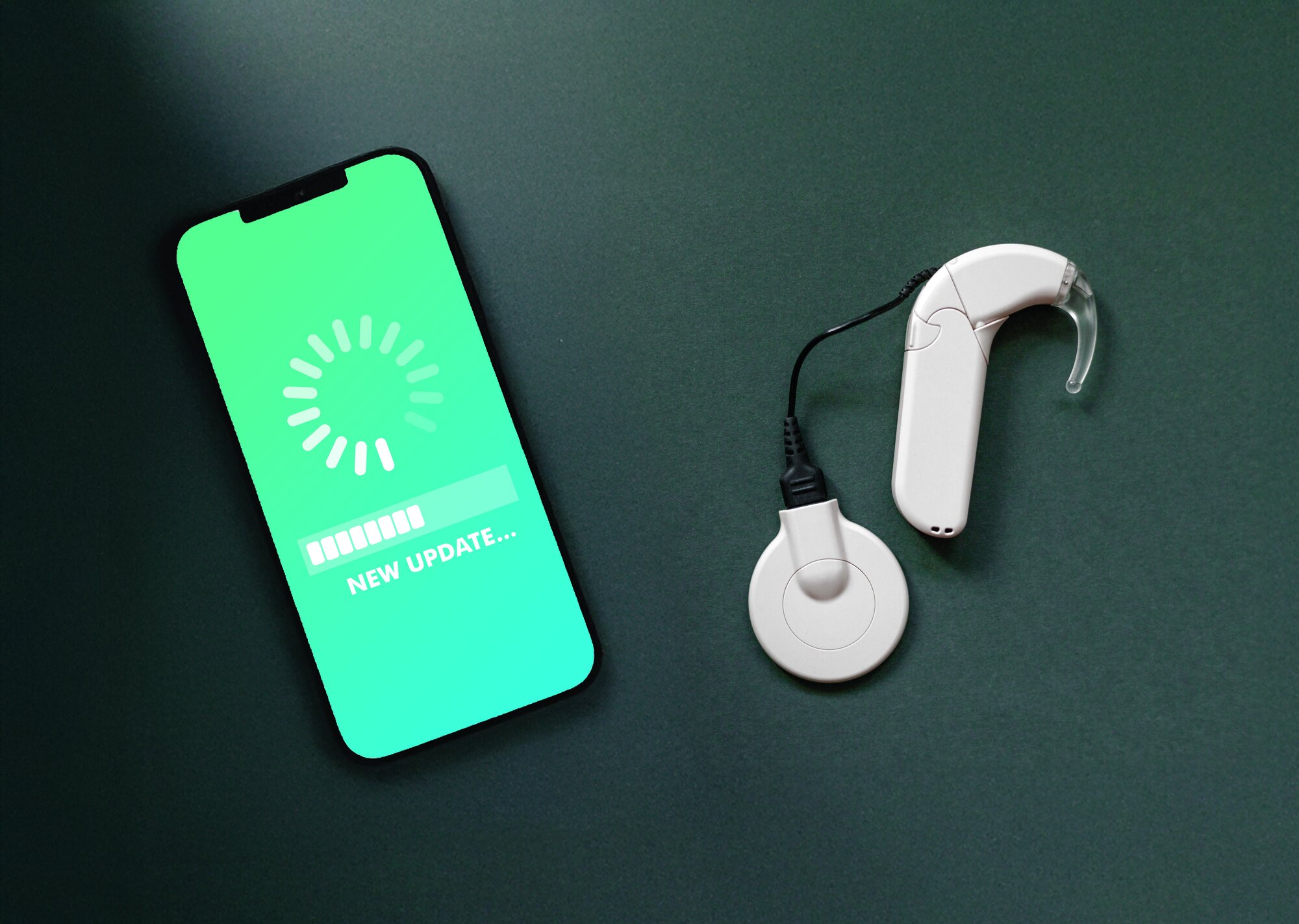
One of the newest cochlear implant systems, Cochlear's Nucleus Nexa, has firmware that can be updated after surgery, with no extra operation, the company says. Until now, only the external sound processor could be upgraded. Cochlear announced the system in July 2025 with US FDA approval1.
Cochlear Limited is an Australian company. It describes the Nexa implant as the first with upgradeable firmware, so new features can reach the implant itself and not only the processor worn outside1. Check with your implant centre whether and when it is available to you in the UK.
What is new in the Nucleus Nexa system?
The Nexa implant has upgradeable firmware and internal memory that stores each user's hearing settings, so the settings can move to a new sound processor if one is lost or damaged1. Cochlear says the implant's redesigned chip includes onboard diagnostics, so the system can check that it is working properly, and an algorithm called Dynamic Power Management that adjusts power use through the day to make the battery last1.
The system includes two new rechargeable sound processors. Cochlear says the Nucleus 8 Nexa, worn behind the ear, is the smallest sound processor with all-day battery life, and the Kanso 3 Nexa, worn off the ear, is the smallest and lightest rechargeable off-the-ear processor1.
Can existing users upgrade?
People who already use older Cochlear Nucleus systems can upgrade to the Kanso 3 sound processor, Cochlear says. The system also works with the company's Nucleus Smart App and its Custom Sound Pro fitting software, which audiologists use to tune the settings1.
Dr David Kelsall of the Rocky Mountain Ear Center said: “The Nucleus Nexa Implant is innovative new technology that I am really excited about.” Lori Miller, who has the Nexa system, said: “Most importantly, I have been able to hear my family and that is my highest priority.”1
“Hearing technology is finally catching up with the way we use our other devices,” said Michael Field, a clinician at Hearology. “An implant that can be updated over time is an encouraging development. It could mean patients benefit from good care today while staying ready for future improvements without the need for further procedures.”
Who could benefit from cochlear implants?
The World Health Organization estimates that more than 430 million people worldwide need rehabilitation for disabling hearing loss2. Cochlear's release, citing a 2016 Australian study, says up to 80% of children who received implants before 12 months of age had receptive vocabulary in the normal range by school entry1,3. Our article on supporting children with cochlear implants looks at life in the classroom.
The NHS says a cochlear implant may be an option if you have severe, permanent hearing loss that hearing aids do not help, and you will be assessed first4. For most people with hearing loss, modern hearing aids are the first option. How well any implant works depends on the person, so results vary.


Frequently asked questions
Is there a new cochlear implant coming out?
How do cochlear implants work?
Can a cochlear implant be upgraded without surgery?
Is the Nucleus Nexa system available in the UK?
Who can get a cochlear implant?
References:
- [1] Cochlear Limited, "Cochlear launches world's first and only smart cochlear implant system," Cochlear media release, Jul. 8, 2025. Accessed: Nov. 15, 2026. [Online]. Available:
- [2] World Health Organization, "Deafness and hearing loss," WHO fact sheet, Mar. 3, 2026. Accessed: Nov. 15, 2026. [Online]. Available:
- [3] S. J. Dettman et al., "Long-term communication outcomes for children receiving cochlear implants younger than 12 months: a multicenter study," Otology & Neurotology, vol. 37, no. 2, pp. e82-e95, Feb. 2016, doi: 10.1097/MAO.0000000000000915.
- [4] NHS, "Hearing aids and implants," NHS website. Accessed: Nov. 15, 2026. [Online]. Available: