

On this page ▾
Key takeaways
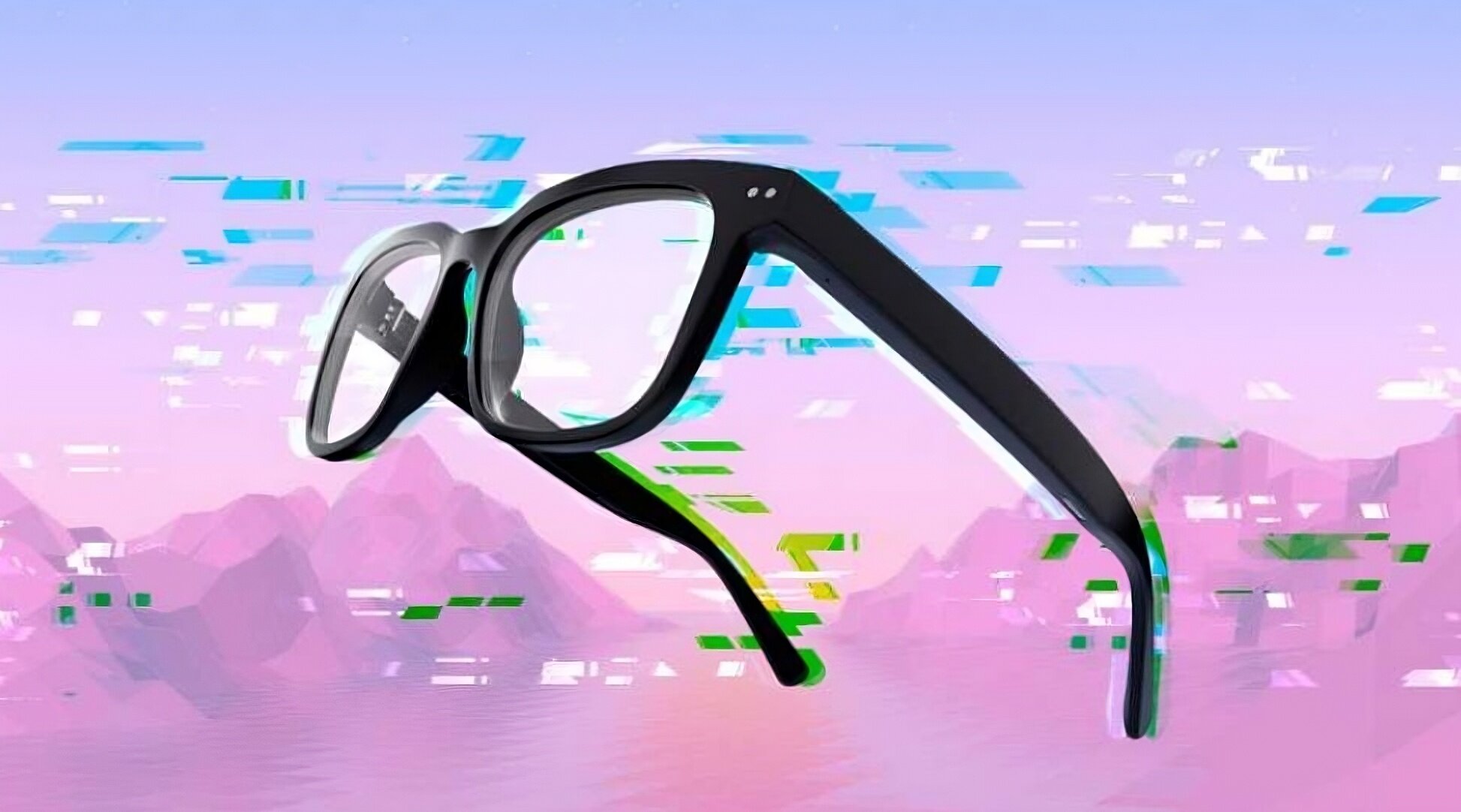
- In February 2025 TranscribeGlass announced a live captioning service on Vuzix Z100 smart glasses.
- The companies say captions appear in under 300 milliseconds and connect to your phone by Bluetooth.
- Speaker identification is meant to help in groups; accuracy depends on the speech recognition.
- Captions do not treat hearing loss; they are an extra tool alongside hearing aids.
- Check price, battery life and availability with the supplier before you buy.
Yes: smart glasses can show live captions of what people say, which can help you follow a conversation if you have hearing loss. In February 2025 TranscribeGlass, a US company based in Connecticut, announced it would launch its captioning service on Vuzix Z100 smart glasses1. Captions do not treat hearing loss, so they work alongside hearing aids, not instead of them.
How do captioning smart glasses work?
The service uses AI to turn speech into text and shows it on the glasses’ display. The companies say the delay is under 300 milliseconds, about the blink of an eye, and that the glasses connect by Bluetooth to a smartphone or tablet you already own1. Many hearing aids now connect to phones in a similar way: read how Bluetooth hearing aids work.
Can they cope with group conversations?
The companies say speaker identification helps wearers follow conversations in group settings, and that the system works in both quiet and noisy places1. That could help in meetings, lectures or at the dinner table. Captions can ease the strain of lip-reading or holding up a phone, but they are only as good as the speech recognition behind them, and we have not seen an independent test of their accuracy.
Who are captioning glasses for?
The companies describe the Z100 as an all-day wearable1. TranscribeGlass built its service for people who are deaf or hard of hearing1, and live captions may also help students and professionals who want a transcript as they listen. Battery life and price depend on the model and the service plan, so check with the supplier before you buy.
Captioning glasses are an extra tool, not an alternative to hearing aids. Researchers are also testing lip-reading hearing glasses that clean up sound rather than show text. If conversations are getting harder to follow, start with a hearing test.
“This is an exciting advancement in accessibility technology,” said Michael Field, an audiologist at Hearology. “While we welcome any innovation that empowers people with hearing loss, at Hearology we strongly advocate looking after your hearing early. Early intervention and preventative measures remain crucial for long-term hearing health. Visual aids like these do have an important role to play, for example in severe-to-profound hearing loss, to supplement hearing aids and support users in more complex listening environments.”