New studies in hearing science, from gene therapy and stem-cell trials for deafness to what links hearing with memory and attention. We summarise each finding in plain English and say what it means today. For questions about your own ears, an Ear Health Consultation is a good place to start.
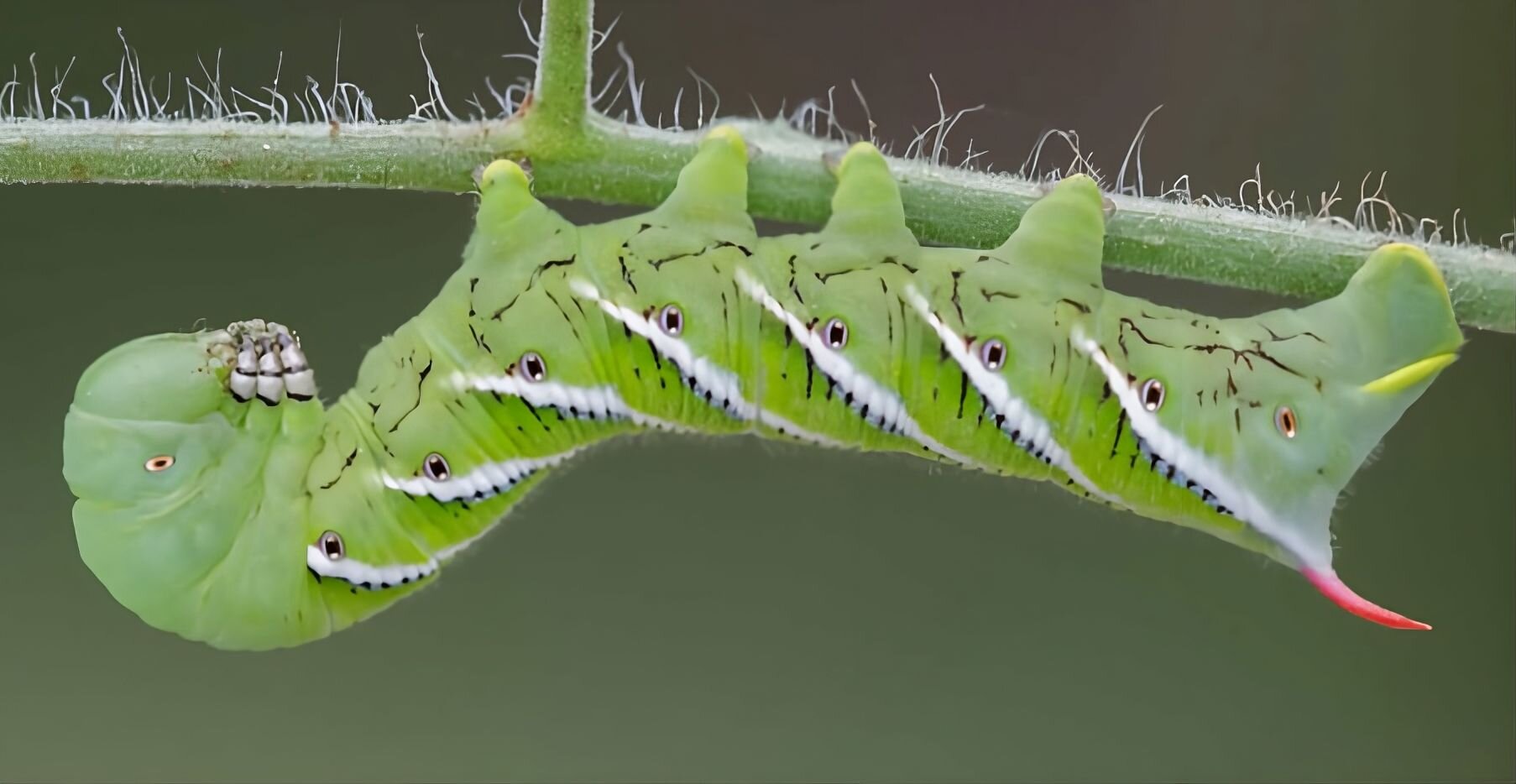
Tobacco hornworm caterpillars “hear” with tiny body hairs — removing them stops the response. The discovery could inspire ultra-small, low-cost microphones.

Sensorion’s SENS-501 trial for OTOF-related infant deafness clears a safety review, with early hearing responses. Experts urge cautious optimism.
Imaging study links ADHD in children to disrupted brain networks that impair auditory attention, suggesting targeted assessments and interventions.
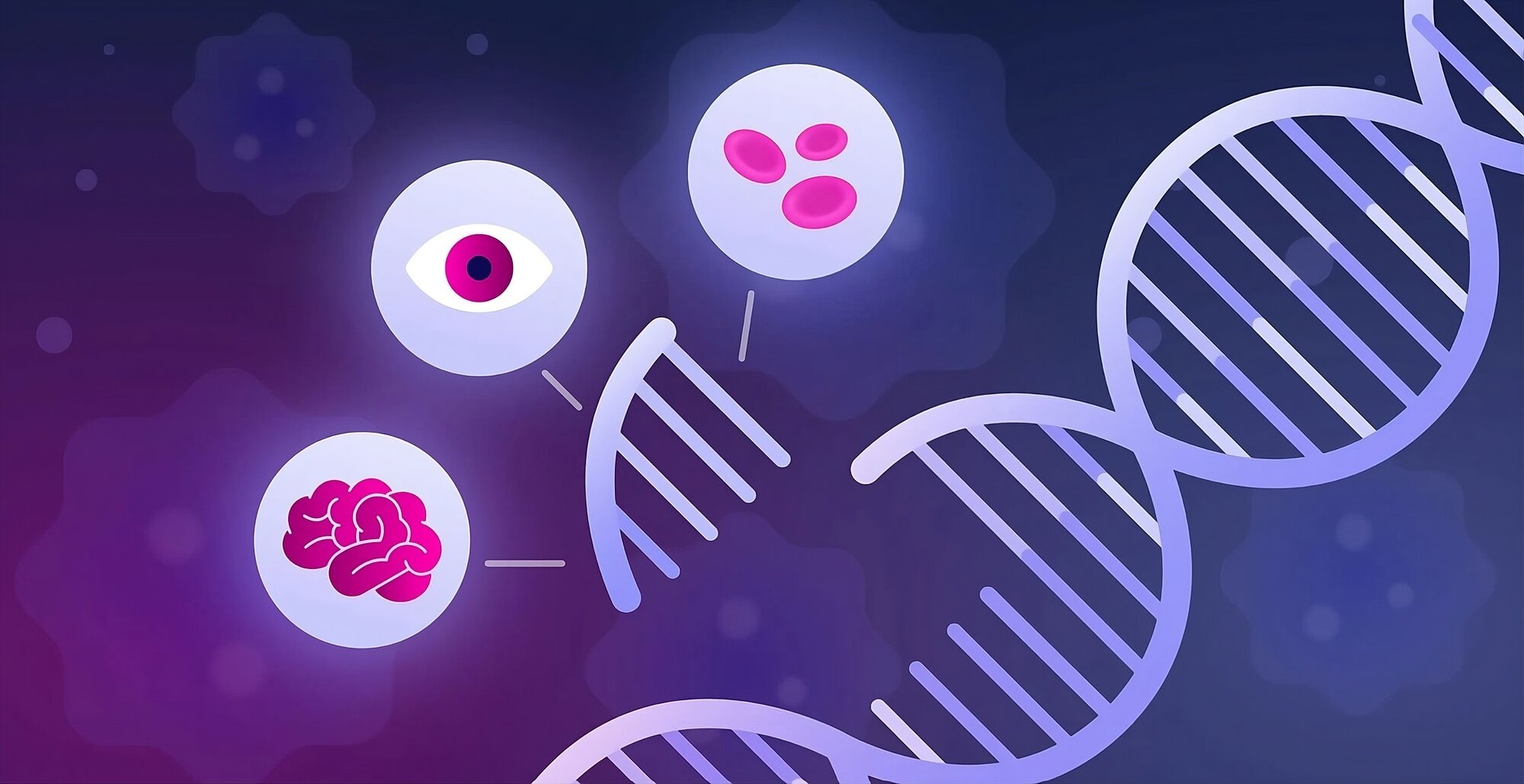
Gene therapy targeting CLIC5 preserved inner ear hair cells in animals, offering hope for treating inherited hearing and balance disorders.

Gene therapy DB-OTO restores hearing in children with OTOF mutations, showing rapid, life-changing gains in trials and offering hope for inherited deafness.

UK launches first stem-cell trial to rebuild auditory nerves. Rincell-1 aims to restore natural hearing for severe loss, offering hope beyond implants.
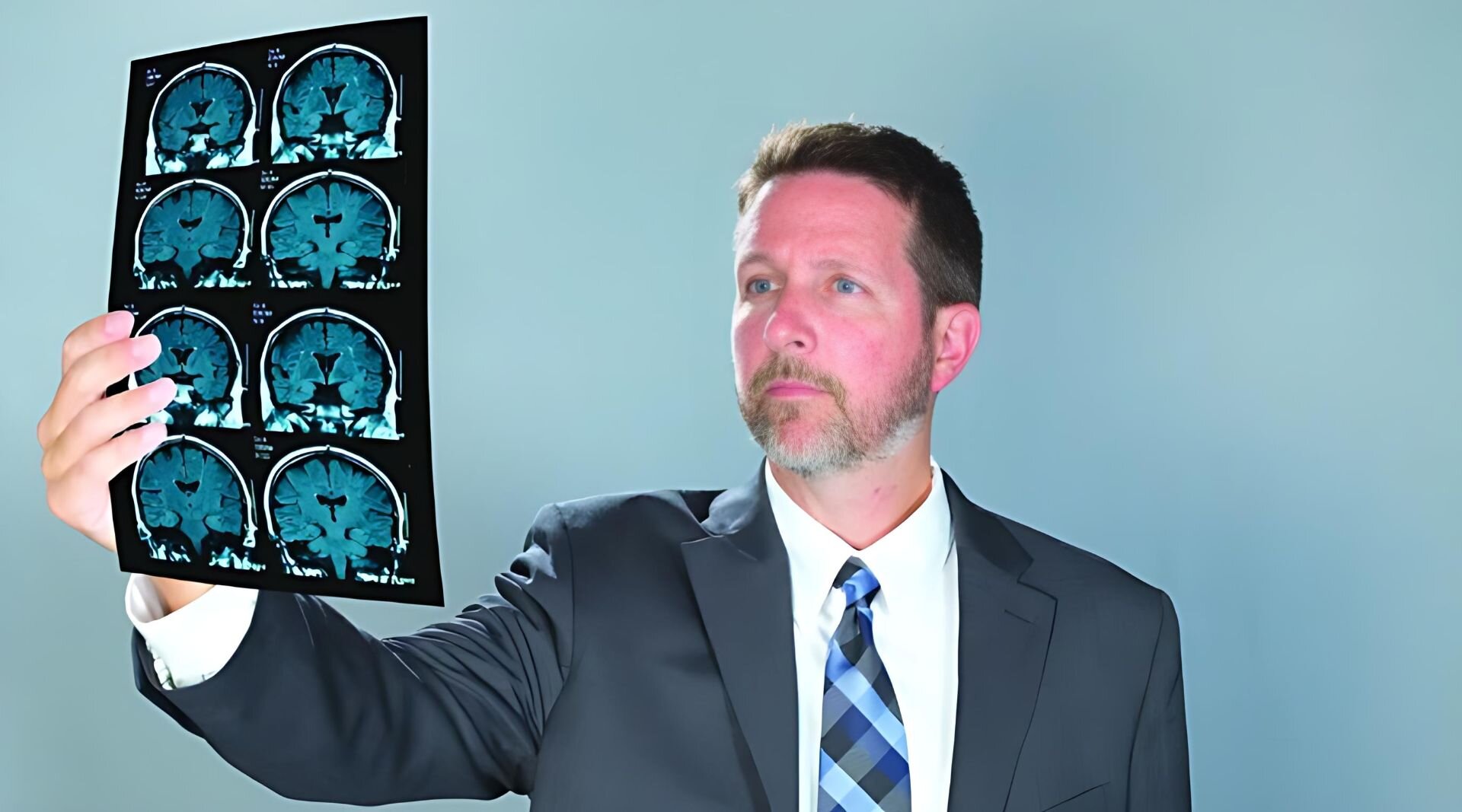
Keith Darrow links hearing loss to cognitive decline and dementia risk, urging early diagnosis, neural therapies and hearing care to protect brain health.

Gene therapy restores hearing in teens and adults with OTOF-related congenital deafness, early trials show major improvements and renewed hope.
A Brazilian study of 805 people in their 50s links hearing loss to faster cognitive decline, and shows why treating hearing early matters.
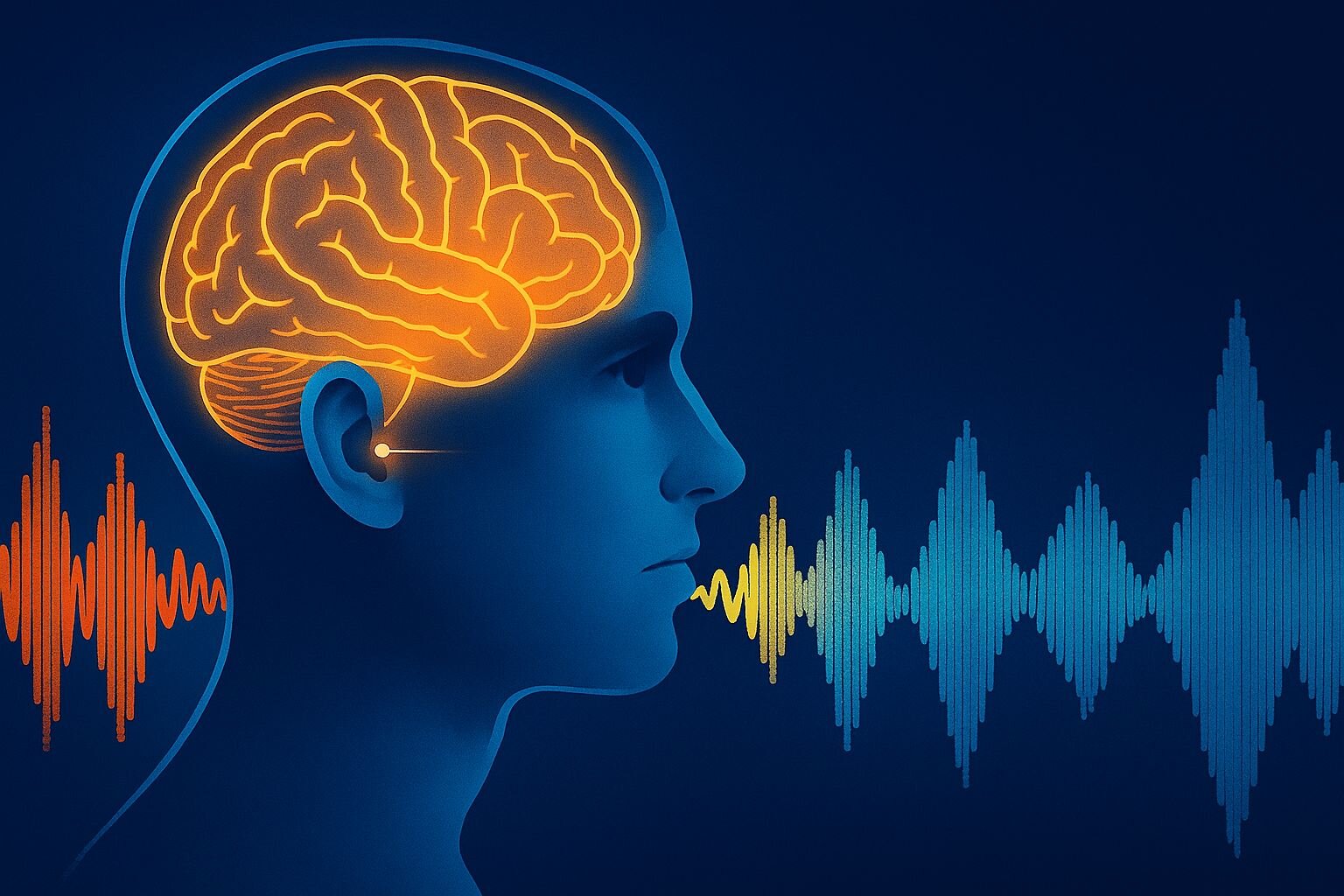
The brain-inspired BOSSA algorithm separates speech from noise more clearly, which could improve future hearing aids. Early testing still matters.
A curated note from the Hearology Newsroom: the best new guidance from our clinicians. We will email you when the first issue is ready. No noise, easy to unsubscribe.