

On this page ▾
Key takeaways
- A small study of 20 adults tested sound therapy with and without VR nature scenes.
- The authors say larger, blinded trials are needed, so VR is not yet a clinic treatment.
- RNID says around 1 in 7 adults have tinnitus all the time or regularly.
- The NHS usually offers digital CBT, counselling, sound therapy and hearing aids if you have hearing loss.
- See a GP if tinnitus is constant or worsening; seek emergency help if it comes with sudden hearing loss.
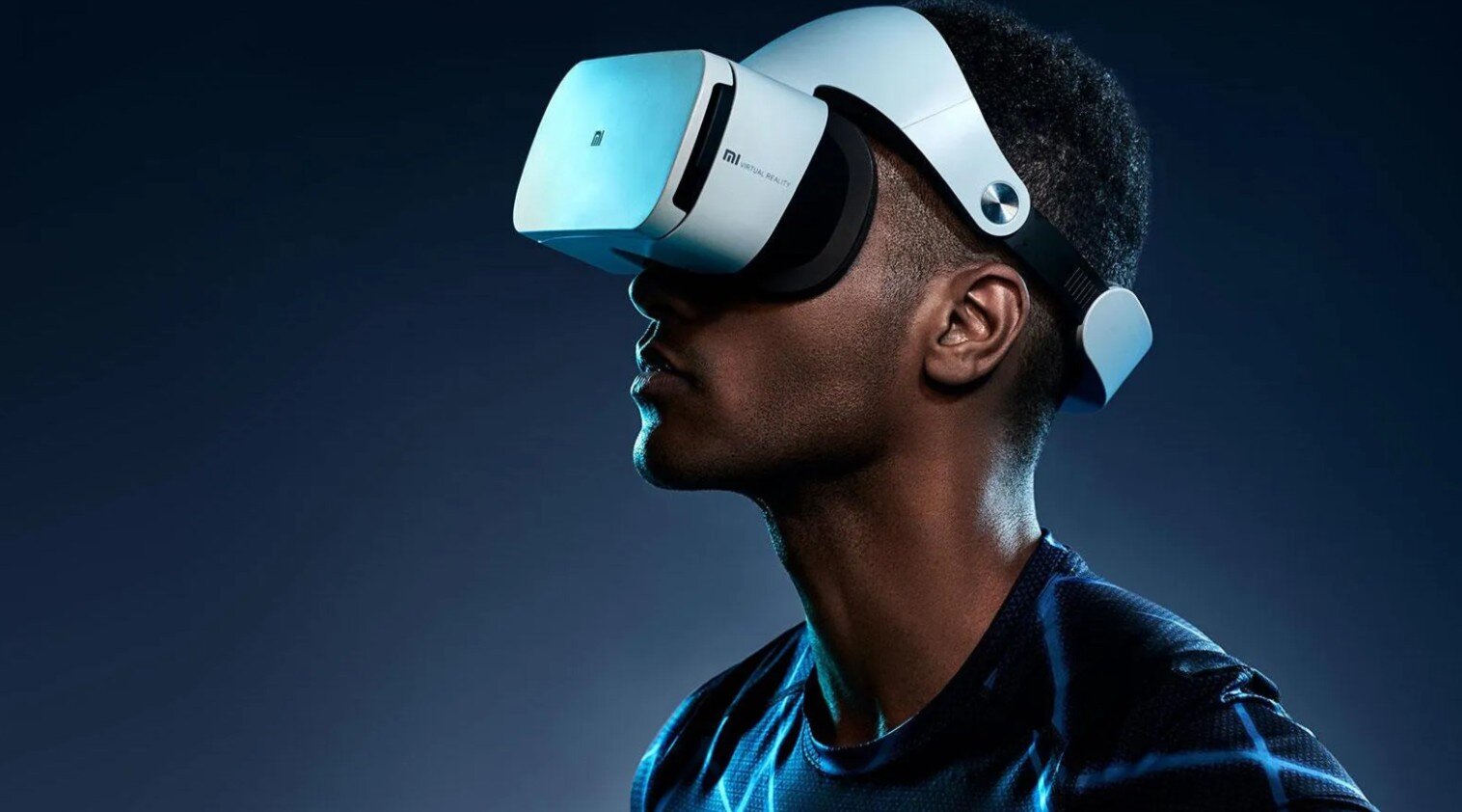
Early research suggests that adding virtual reality (VR) to sound therapy may help some people with tinnitus, but it is not a treatment you can get yet. In a small study of 20 adults, sound therapy with VR nature scenes was compared with sound therapy alone, and the authors say larger, blinded trials are needed before VR is used in clinics1.
How common is tinnitus?
Tinnitus is ringing, buzzing or hissing in the ears with no outside source. RNID says around 1 in 7 adults have tinnitus all the time or regularly2. For many people it is manageable, but for some it affects sleep, concentration and mood. Treatment focuses on managing the symptoms and the distress they cause3.
How does sound therapy work?
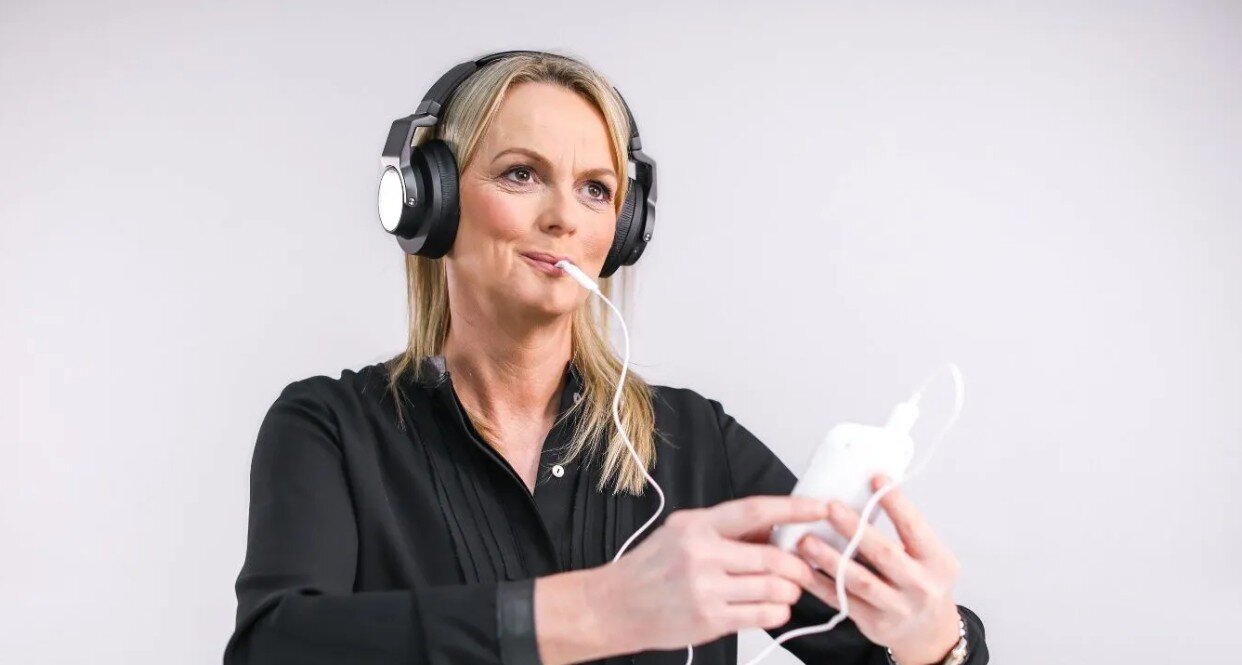
Sound therapy is one of the ways tinnitus is managed. People listen to soft background sounds, such as white noise, nature sounds or fractal tones (soft, changing musical sounds), through hearing aids, sound generators or apps. The sounds can make the tinnitus less noticeable and help the brain to pay it less attention3. Research on fractal tones is still early.
Why could VR help?
VR is already used in other areas of medicine, such as pain relief and anxiety. Researchers suggest it might calm the emotional side of tinnitus by absorbing attention and engaging the brain’s emotion circuits1.
In the study, each of the 20 adults had one session of sound therapy alone and one with VR nature scenes, a week apart and in random order. Adding VR led to significantly greater improvements in tinnitus loudness and in Tinnitus Functional Index scores, a measure of how much tinnitus affects daily life. Masking levels also fell, but not significantly1. The benefit was measured straight after a session, in a laboratory.
Is VR ready for clinical use?
No. The study was small, short-term and laboratory-based, with no evidence yet of long-term benefits, and the authors call for larger blinded trials1. VR for tinnitus is not currently available in clinics.
“Combining new technology such as VR with established methods of tinnitus management is a really interesting and exciting prospect,” said Micaela Stonestreet, a Clinical Audiologist at Hearology. “While VR therapies are not yet available, established treatments like sound therapy and cognitive behavioural therapy can provide real relief. It’s important to seek professional advice if you are struggling with your tinnitus, because help is available.”
What can help with tinnitus now?
The NHS usually offers digital cognitive behavioural therapy (CBT) first, along with tinnitus counselling and sound therapy, and hearing aids if you also have hearing loss3. Our articles on how tinnitus relief has progressed and emotional resilience and tinnitus cover these options. If you have noticed changes in your hearing too, a hearing test shows whether hearing loss is part of the picture.
See a GP if your tinnitus is constant, getting worse or affecting your sleep, concentration or mood. Ask for an urgent appointment if it beats in time with your pulse. Call 999 or go to A&E if it follows a head injury or comes with sudden hearing loss, facial weakness or vertigo3. You are not alone with this, and help is available.


Frequently asked questions
What is the latest treatment for tinnitus?
Is there any treatment for tinnitus?
Can virtual reality treat tinnitus?
Does sound therapy work for tinnitus?
References:
- [1] A. K. Deshpande, I. Bhatt, and C. Rojanaworarit, "Virtual reality for tinnitus management: a randomized controlled trial," International Journal of Audiology, vol. 61, no. 10, pp. 868-875, 2022, doi: 10.1080/14992027.2021.1978568.
- [2] RNID, "Tinnitus," RNID. Accessed: Nov. 16, 2026. [Online]. Available:
- [3] NHS, "Tinnitus," NHS website. Accessed: Nov. 16, 2026. [Online]. Available: