

On this page ▾
Key takeaways
- Tinnitus care has moved from basic masking sounds to sound therapy, CBT and hearing aids with tinnitus programmes.
- RNID says around 1 in 7 adults have tinnitus all the time or regularly.
- There is no single cure, but most people can learn to reduce its impact.
- See a GP if tinnitus is constant or worsening, and get emergency help if it comes with sudden hearing loss.
Tinnitus care has moved from basic masking sounds in the 1980s to sound therapy, talking therapies such as CBT and hearing aids with tinnitus programmes today. There is still no single cure, but most people can learn to manage it and reduce its impact1.
How has tinnitus relief changed since the 1980s?
Tinnitus means hearing ringing, buzzing or hissing that does not come from an outside source. RNID says around 1 in 7 adults have it all the time or regularly2. For many, it started in a world of loud gigs and bulky technology, and it has been a familiar and often persistent companion since.
If you have lived with tinnitus for years, you are not alone, and the options open to you today are better than they once were.
What was tinnitus care like in the 1980s?
In the 1980s, treatment was basic. Early sound machines were large and offered simple masking tones, and few healthcare professionals specialised in tinnitus. Many people were told to “learn to live with it”, with little support available.
How did digital sound therapy and brain research help?
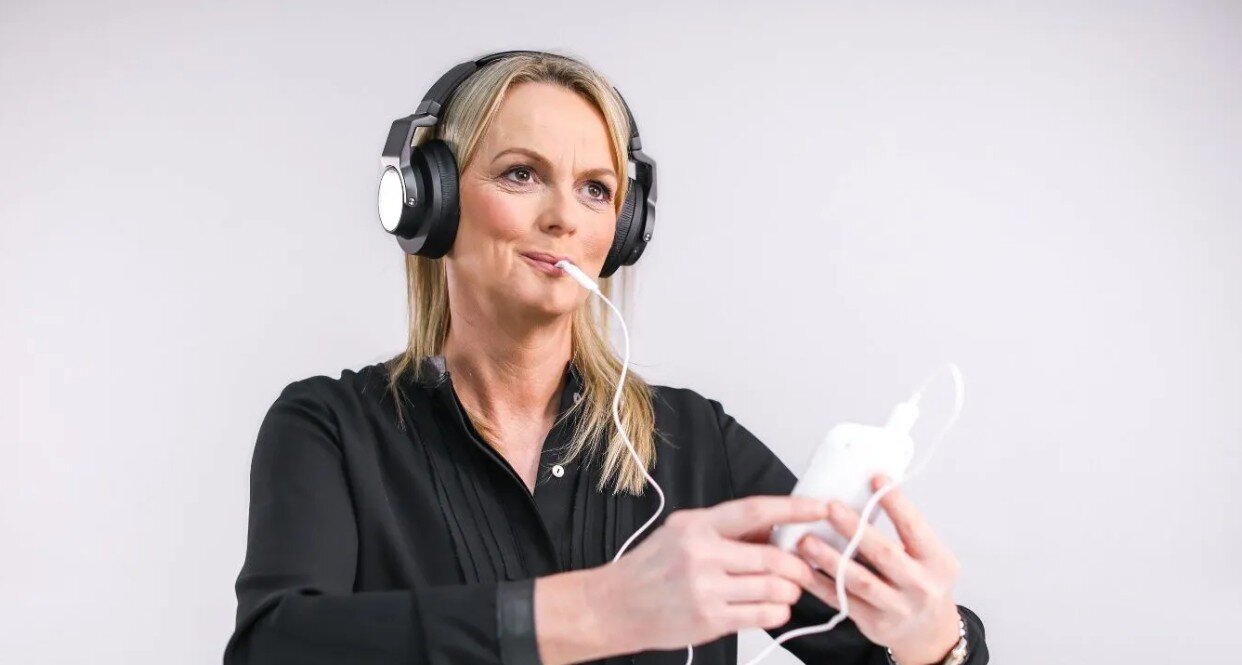
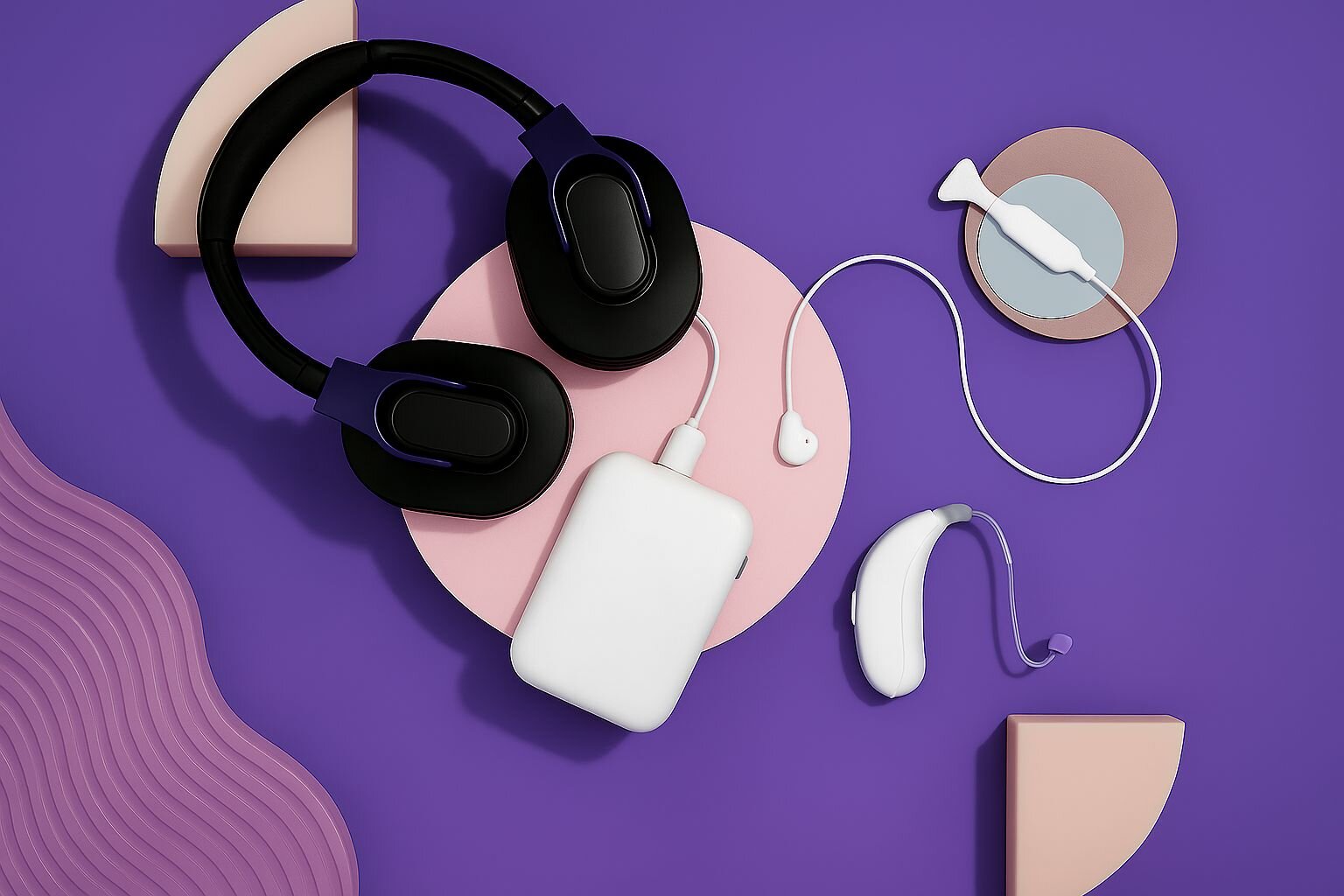
The 1990s and early 2000s brought a digital shift. Portable sound generators, small electronic devices that play a continuous, adjustable sound to make tinnitus less noticeable, became more precise, and hearing aids began to include tinnitus programmes that combine amplification with sound therapy.
Research into how tinnitus interacts with the brain also led to approaches such as tinnitus retraining therapy, which uses sound therapy and counselling. The NHS says it is unclear whether it works for everyone1.
What does tinnitus management look like today?
Modern tinnitus management is personalised. Some hearing devices deliver sound therapy matched to your tinnitus, and many also work as hearing aids and are controlled through a smartphone app. Rechargeable batteries make all-day use easier, and some devices include features aimed at sleep, relaxation and stress, which can all affect how noticeable tinnitus is.
If poor sleep is part of the picture, our article on how better sleep may ease tinnitus is a good next read.
What causes tinnitus?
The cause is often unclear. Tinnitus is linked to hearing loss, Ménière’s disease, conditions such as diabetes or thyroid disorders, anxiety or depression, and some medicines1. Noise exposure, earwax build-up and head injury can also play a part, and in rare cases a pulsing sound can come from a problem with blood vessels. Tinnitus is a symptom rather than a disease in itself.
See a GP if your tinnitus is regular or constant, getting worse, or affecting your sleep, concentration or mood. Ask for an urgent GP appointment if it beats in time with your pulse. Call 999 or go to A&E if it follows a head injury or comes with sudden hearing loss, facial weakness or vertigo1.
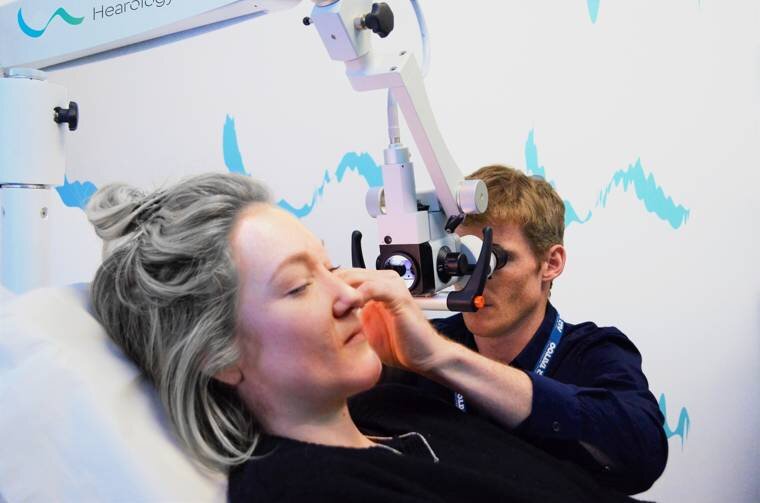
If earwax could be part of the problem, microsuction ear wax removal is available at our clinics with same-day availability.
What other help is there for tinnitus?
Alongside technology, talking therapies remain central. Cognitive behavioural therapy (CBT) and tinnitus counselling can reduce the emotional burden of tinnitus, and digital CBT is usually offered first on the NHS1. Lifestyle changes, from stress management to protecting your ears from loud noise, can also help.
Clinics such as Hearology offer detailed assessments, patient education and tailored management plans, because managing tinnitus well means understanding each person’s experience and combining several approaches.
“Tinnitus care has moved from coping to control,” said Micaela Stonestreet, Clinical Audiologist at Hearology. “A personalised management plan that takes a holistic approach, combining lifestyle changes, education, and sound therapy, can help individuals take control of their tinnitus and reduce its impact on their quality of life.”
To see how researchers are trying to measure tinnitus more objectively, read the latest study on tinnitus severity.
Will tinnitus ever be cured?
A full cure is not available today, but progress has made tinnitus far more manageable. For many people, a combination of sound therapy, support and good information means the noise no longer drowns out everyday life.

Frequently asked questions
Can tinnitus be cured?
What is the latest treatment for tinnitus?
Can hearing aids help tinnitus?
When should I see a doctor about tinnitus?
References: