
On this page ▾
Key takeaways
- Signs include not responding when called, often saying “what?”, turning the TV up, and unclear speech.
- Children may struggle in noisy places or at school, or seem inattentive, tired or withdrawn.
- Earwax or infection can cause short-term problems, but ongoing concerns need a hearing assessment.
- Speak to your GP about any concern; sudden hearing loss needs urgent advice from NHS 111 or a GP.
Signs of hearing loss in children include not responding when called, often saying “what?”, turning the TV up, delayed or unclear speech, and struggling in noisy places or at school1. If you notice any of these, speak to your GP or ask about a hearing assessment rather than waiting.
Parents are encouraged to watch for clues such as delayed speech, inattentiveness or difficulty following instructions. These may point to underlying hearing issues, which can be temporary or permanent, mild or severe.
Keeping a written record of a child’s reactions to sound, in both quiet and noisy places, can help build a clearer picture for professionals assessing the child.
What are the signs of hearing loss in children?
The National Deaf Children’s Society lists signs such as these1:
- not reacting when called, or misunderstanding instructions
- often saying “what?” or asking for things to be repeated
- turning the TV up louder than others need
- watching faces and lips closely
- speech or communication difficulties, such as mispronouncing words or speaking unusually loudly or softly
- trouble following what is happening when there is background noise
- seeming inattentive, tired, withdrawn or frustrated, or struggling with reading and learning
For babies, read about newborn hearing screening.
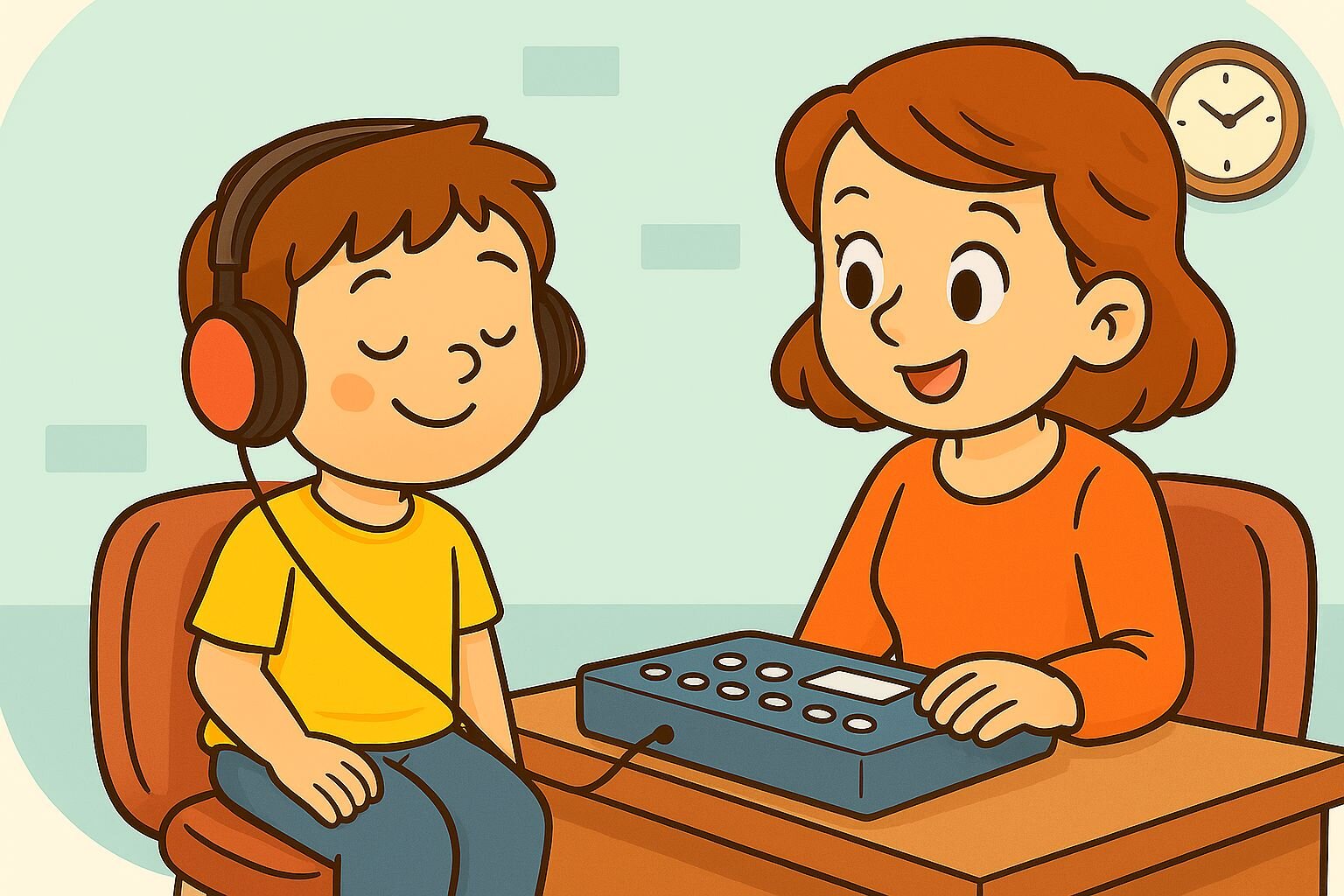
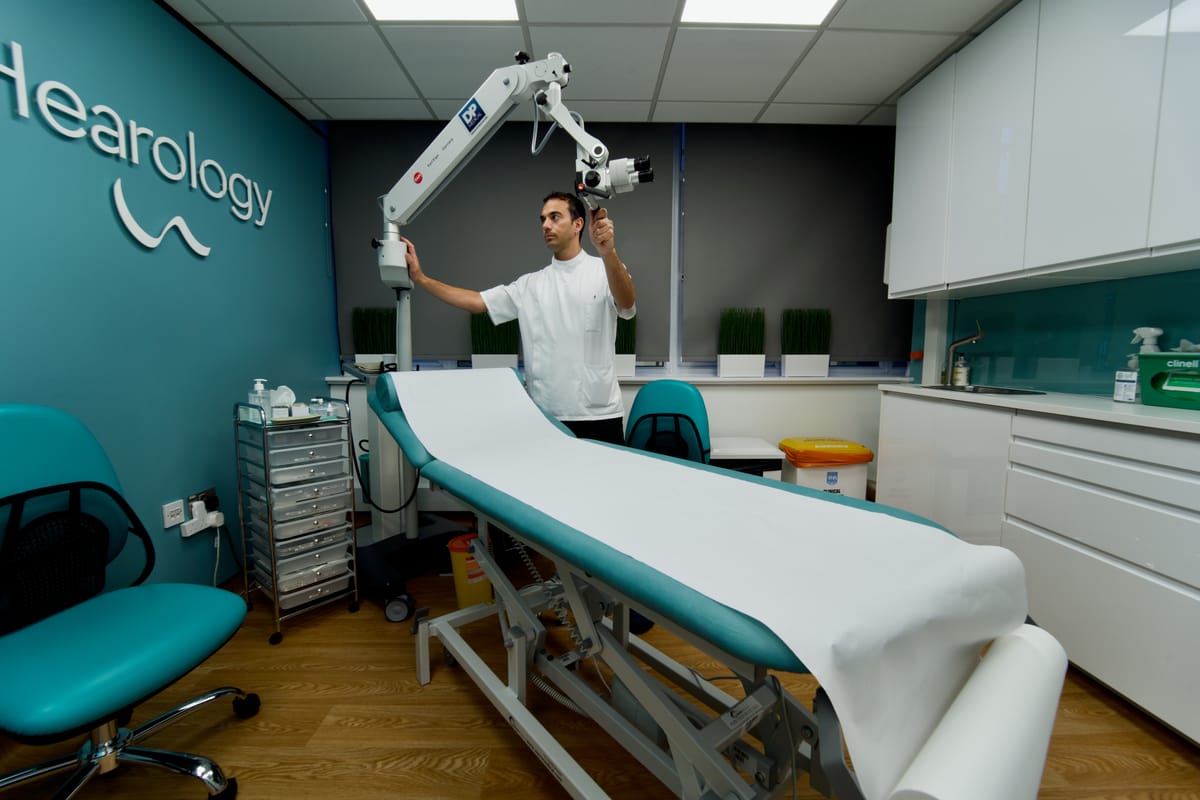
Infections or earwax blockages can sometimes cause short-term hearing problems. If earwax is the cause, our children’s microsuction appointments are for ages 3 to 17 and run on set days at each clinic. Any ongoing concerns should be followed up with a professional hearing assessment. Paediatric audiologists use a range of non-invasive, age-appropriate tests to assess the type and degree of hearing loss.
These evaluations are often the first step toward getting children the right support, whether that’s hearing aids, speech and language therapy, or extra help in school.
How can you support a child with hearing difficulties?
Many schools provide individualised support plans for children with hearing challenges. At home, parents can make communication easier by speaking clearly, keeping eye contact, reducing background noise, and using gestures or basic signs. Creating a calm, communicative environment builds both understanding and confidence.
When should you get your child’s hearing tested?
Get it checked as soon as you have a concern, at any age. Speak to your GP, who can refer you to a hearing specialist. Depending on where you live, you may also be able to self-refer to an audiologist2. Sudden hearing loss in a child, or hearing loss with earache or discharge, needs urgent advice: call NHS 111 or ask a GP for an urgent appointment2.
“Parents may worry about raising false alarms,” said Jessica Tovey, Clinical Audiologist at Hearology. “However, it is vital to trust your instincts: if something doesn’t seem right, an early assessment can make all the difference. The earlier a hearing impairment is identified, the sooner a child can access the support they need for speech, learning, and social development.”
Even mild hearing loss can affect a child’s development during critical stages of childhood. Experts stress that changes in behaviour, academic performance or emotional well-being can all be signs that something isn’t right.
Addressing hearing issues early helps children reach their full potential. It starts with awareness, and acting without delay on any concerns you might have as a parent.

Frequently asked questions
What are the early signs of deafness in babies and young children?
How do I know if my baby is deaf?
What are the signs of hearing loss in older children?
How can I get my child's hearing tested?
Can earwax cause hearing problems in children?
References: