
On this page ▾
Key takeaways
- A 14-year-old in Michigan developed a severe ear infection that became meningitis, and his father believes habitual earbud use contributed.
- Most ear infections clear up within about 3 days, and complications such as meningitis are uncommon.
- Earbuds can block the ear canal, hamper its natural self-cleaning and potentially lead to ear infections.
- Proper ear wax management is essential, and improper removal of earwax can lead to a blocked ear, tinnitus or infection.
- Take periodic breaks from earbud use and watch for the signs of ear infection.
Earbuds are not a proven direct cause of ear infections, but anything worn in the ear canal for hours can trap moisture and irritate the skin there. The NHS lists water and wearing earplugs among the things that can irritate the ear canal and lead to an outer ear infection, and most ear infections clear up within about 3 days1. If you wear earbuds for long stretches, a few simple habits can help.
What happened to the teenager in this story?
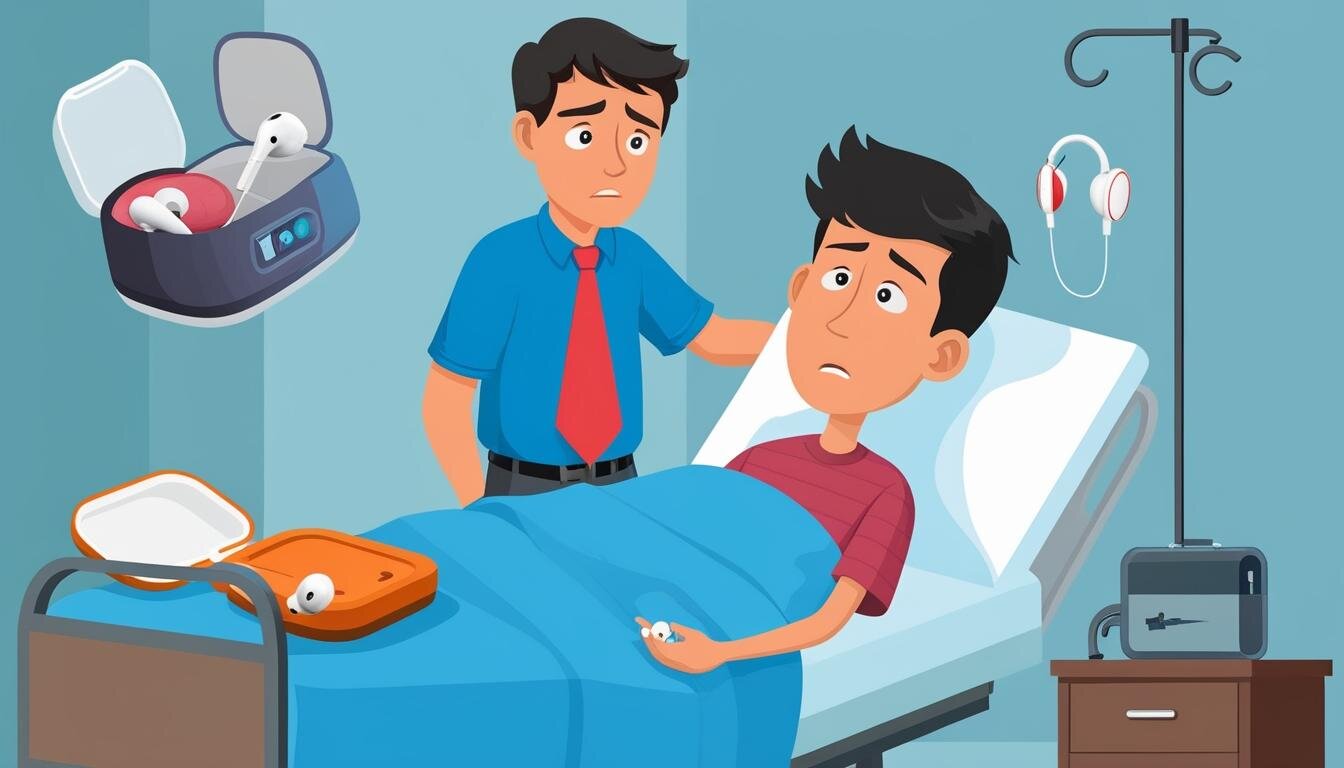
In early 2025, a father in Michigan, in the US, spoke about how his 14-year-old son's severe ear infection escalated into a life-threatening condition. He believes his son's habit of wearing earbuds to listen to music contributed to the infection.
The series of events began in mid-December 2024, when the teenager was taken to the doctor and was diagnosed with an ear infection. “On the 18th, his mum brought him into urgent care for an ear infection. And they just diagnosed the ear infection and said that it was because he's wearing his [earbuds] all the time,” his father said.
Unfortunately, the infection did not stop there. By Christmas Eve his condition had worsened, and he was admitted to a children's hospital in Grand Rapids, where he was diagnosed with meningitis.
Meningitis is an infection of the protective layers that cover the brain and spinal cord2. The reports do not show that the earbuds caused it, and the ear infections linked to earbuds are usually in the outer ear canal1. Call 999 or go to A&E if you think someone may have meningitis2.
“He could barely lift his arms,” his father said. “He was almost unresponsive, basically, for about three or four days, and it was scary as hell, like horrifying as a parent."
How can earbuds lead to an ear infection?
Earbuds sit in the opening of the ear canal. Worn for hours, or overnight, they can keep the canal warm and damp and may irritate its skin. The NHS lists irritation of the ear canal, including from water and earplugs, among the causes of outer ear infections1.
The father believes his son's constant usage of the earbuds prevented adequate airflow to his ears, contributing to the infection. “It wasn't letting his ears breathe like they needed to, because he had them in constantly. He would sleep with them in," he said.
Experts suggest that young people face greater threats to their ear health than previous generations. “The ears of today’s teenagers are subject to an auditory onslaught relative to their grandparents,” said Laurence Coen, who co-founded Hearology.
“Many have their earbuds practically glued to their ears, so their noise level exposure is consequently so much greater. This generation of teenagers are going to have many more ear and hearing-related problems than their parents and grandparents, not to mention the onset of age-related hearing loss at a much younger age.”
How can you lower the risk from earbuds?
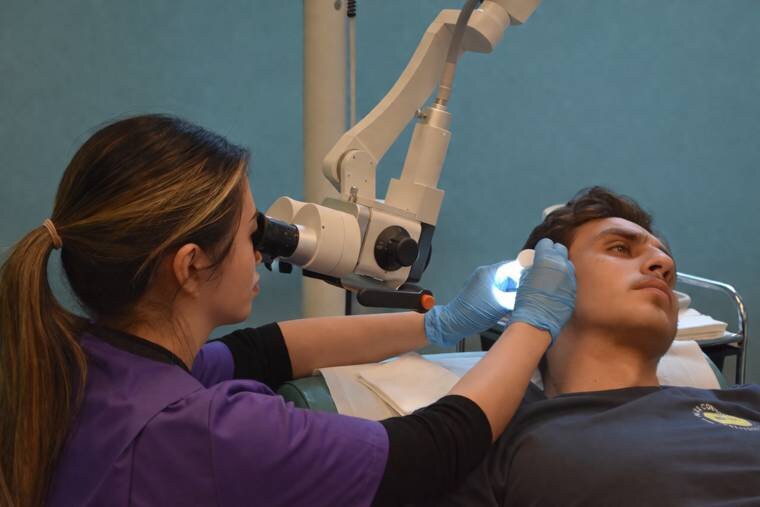
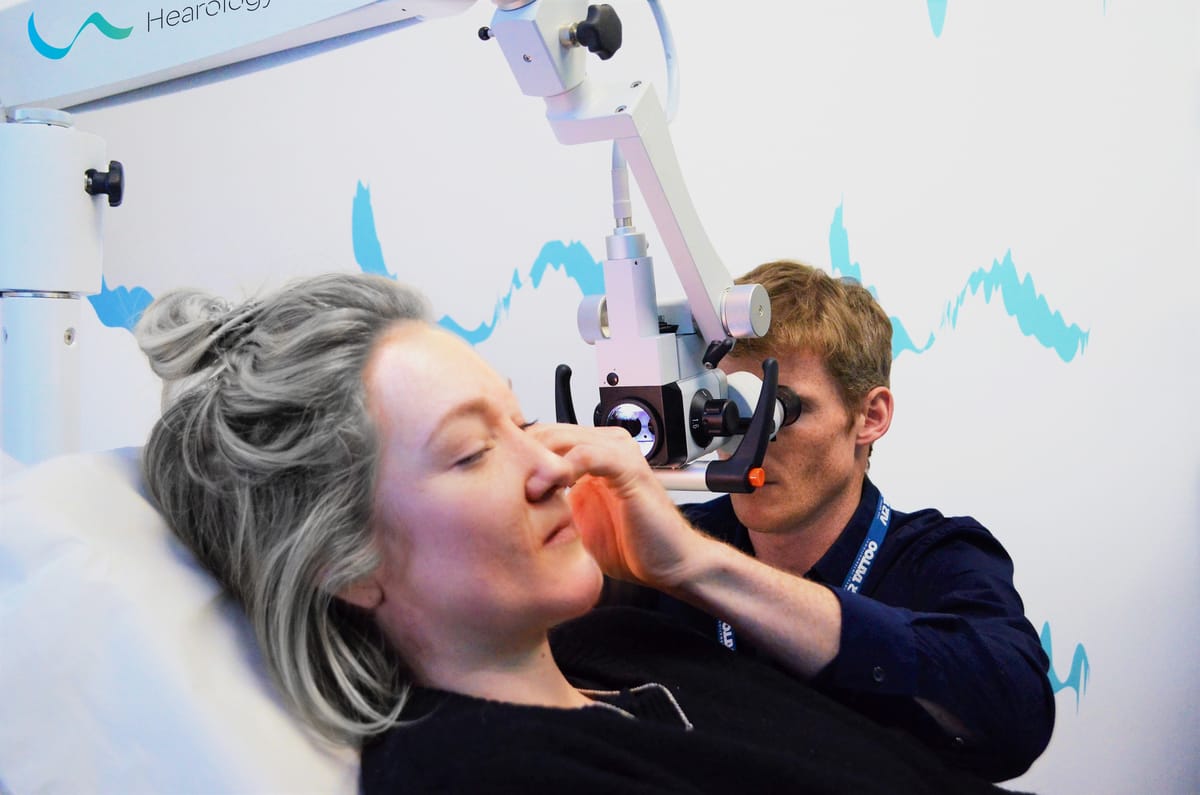
If you or your child wear earbuds for long stretches, a few habits can help. Take regular breaks, clean your earbuds often, avoid sleeping in them and do not share them. Do not put cotton buds or other objects in your ears to clean them1. If wax builds up and blocks your ear, a trained clinician can remove it, for example with microsuction.
At the time, doctors expected the teenager to make a full recovery, and his father hopes that by sharing their experience he can alert parents to the dangers of excessive earbud usage. He urges vigilance regarding the signs of ear infections and advocates for periodic breaks from earbud use.
“Just pay attention,” he said. “Watch out for the signs of this, and, you know, make sure they're taking a break from it. No matter how much they love to listen to music, it's not worth this."

Frequently asked questions
Can earbuds or AirPods cause ear infections?
Can headphones cause ear infections?
How can I use earbuds safely?
What are the signs of an ear infection?
References: