


On this page ▾
Key takeaways
- Most people do not need to clean inside their ears: earwax normally falls out on its own.
- Cotton buds and objects such as hairpins can push wax deeper or damage the eardrum.
- Wipe the outer ear with a damp cloth and leave the ear canal alone.
- Ask for an urgent GP appointment or call NHS 111 if fluid comes out or your hearing changes.
- If wax blocks your ear, a clinician can remove it by microsuction.
For most people, regular ear cleaning is not necessary. Earwax normally falls out on its own, and poking inside your ears with cotton buds or other objects can push wax deeper or cause harm. Good ear care means wiping the outer ear with a damp cloth, keeping water out if an ear is infected, and seeing someone if you have pain, fluid or a blocked ear that does not clear1,2.
If you clean your ears out of habit, you are not alone, and it is an easy habit to change.
Do your ears need cleaning?
Your ears have a self-cleaning mechanism that naturally moves wax and dirt out of the ear canal. Looking after them mostly means keeping the outer ear clean with a damp cloth and leaving the canal alone. Water and other irritants can occasionally let infection in, so keep water out of an ear that is already painful or infected2.
If you tend to build up wax, the NHS says regular use of eardrops or oil can soften it and help prevent blockages1. Our guide to easy precautions for fewer ear infections has more everyday habits.
What are the common ear cleaning mistakes?
The most common mistake is using cotton buds, which can push wax deeper into the ear canal and cause blockages. Improvised tools such as hairpins carry the risk of damaging the eardrum. Our article on why cotton buds do not belong in your ears explains what happens.
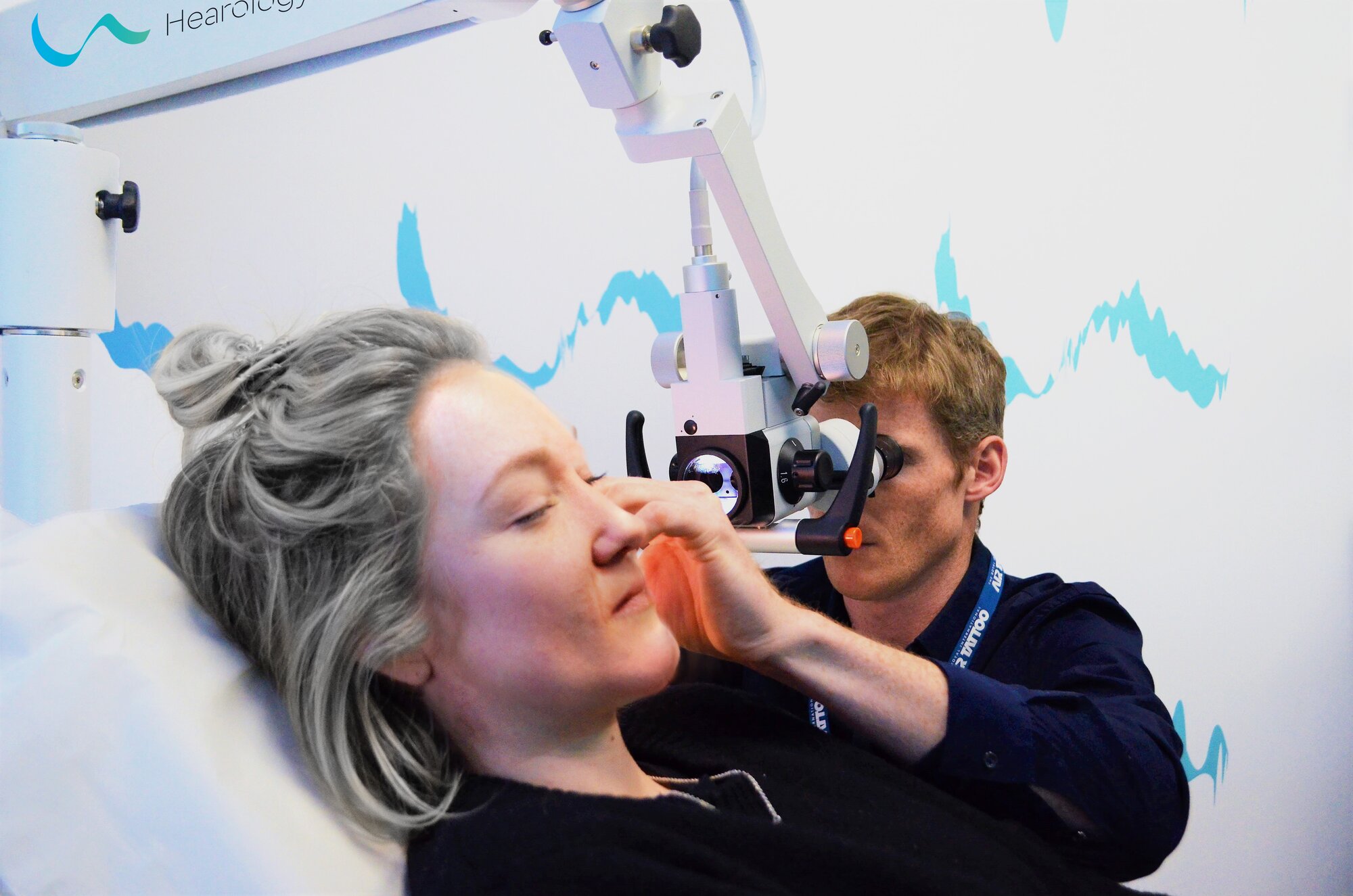
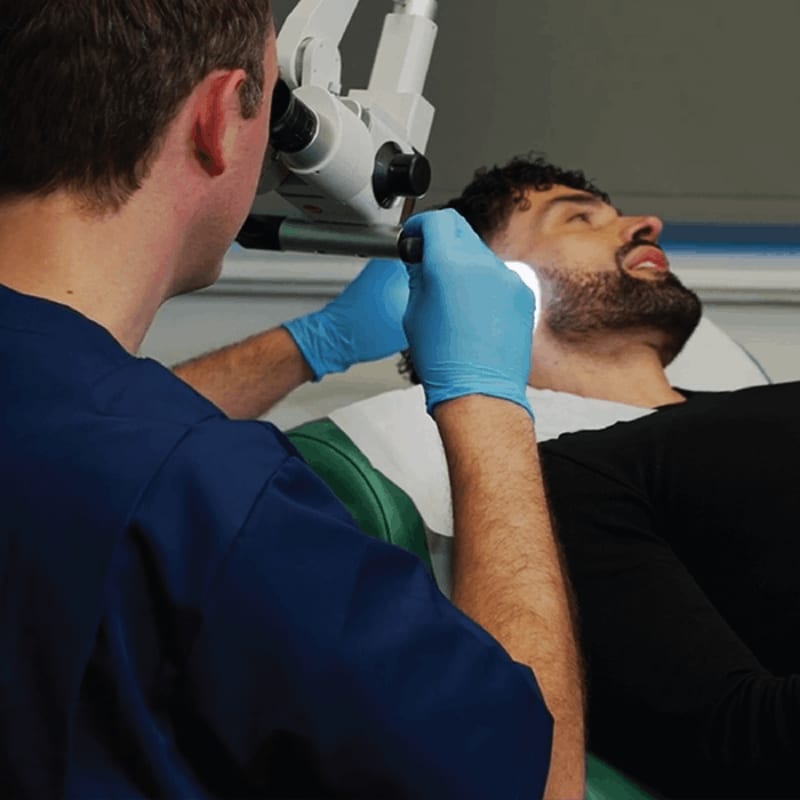
If wax does build up and blocks your ear, see a GP surgery nurse if symptoms have not cleared after 5 days1, or book a clinician to remove it. We use microsuction only, a gentle method that removes wax by suction while the clinician looks into the ear. Our ear wax removal service has same-day availability, and this guide explains how microsuction works.
What are the signs of an ear infection?
Symptoms of an ear infection often include:
- earache
- a high temperature
- difficulty hearing
- discharge running out of the ear
- a feeling of pressure or fullness in the ear
Young children may also rub or pull their ear, not react to some sounds, or be irritable or restless2.
A pharmacist can treat children aged 1 to 17 with a suspected ear infection2. Ask for an urgent GP appointment or call NHS 111 if there is a high temperature, swelling around the ear, fluid draining from the ear or a change in hearing2.
How can you lower the risk of ear infections?
The NHS suggests a few simple habits2: use earplugs or a swimming hat when you swim, try to keep water and shampoo out of your ears in the shower or bath, do not put cotton buds or fingers in your ears, and treat conditions that affect the ears, such as eczema. For children, keeping up with vaccinations and keeping them away from smoky environments also help.
Repeated infections sometimes call for further checks to rule out an underlying problem, and some ear conditions can also lead to tinnitus, a ringing or buzzing in the ears. If you swim often, our article on swimmer’s ear is worth a read.
“Ear care is an important aspect of our health that is often overlooked,” said Micaela Stonestreet, a Hearology ear care specialist. “We recommend visiting your local ear care specialist or audiologist if you are concerned about a wax build-up. They will be able to safely remove excess wax using techniques like microsuction, identify potential issues early on and advise you on how to keep your ears healthy for years to come.”

Frequently asked questions
Is ear cleaning necessary?
Can you clean your ears too much?
How often should you clean your ears?
How do you clean your ears safely at home?
When should you see someone about your ears?
References: