

On this page ▾
Key takeaways
- Persistent itchy ears, especially with flaky skin, may signal ear eczema.
- Ear eczema cannot be cured but it can be managed, from avoiding irritants and using moisturisers to corticosteroid creams.
- Do not use a cotton bud to satisfy the itch: it could inflame the area and push ear wax further down the canal.
- Anyone with recurring or persistent symptoms should see their GP; left untreated, ear eczema can lead to infections.
- Earwax can cause itchiness and blockage, and can be safely removed using microsuction in a regulated clinic.
Ear eczema is a common issue with the same roots as eczema found on other parts of the body
Itchy ears are a common yet often overlooked health issue, but they could indicate more than just a minor irritation. Persistent itching may signal a condition known as ear eczema, which shares similarities with eczema that affects other parts of the body.1
The problem was highlighted in a recent social media post by Dr Stephanie Ooi, who is a General Practitioner at My Healthcare Clinic, which has locations in London and the Midlands. “If you get itchy ears, if you have flaky skin as well, there is actually a condition of the ear called ear eczema,” she said.
What is ear eczema?
Around eight million people in the UK are affected by eczema, especially the atopic dermatitis form. It cannot be cured, but it can be managed.2 Dr Ooi said itchy ears could be a symptom of ear eczema, which may also cause dryness and discolouration.
The condition is more common among people with a personal or family history of eczema, asthma or allergies.1 It isn’t contagious, but it can be persistent and uncomfortable. Treatments range from lifestyle changes such as avoiding irritants and using moisturisers, to applying corticosteroid creams. In more severe cases, therapies like phototherapy may be used.
However, one thing patients should avoid is using a cotton bud to satisfy the itch. This could inflame the area and also push ear wax further down into the ear canal.2
Complications include infections
As with other chronic skin conditions, Dr Ooi advised anyone with recurring or persistent symptoms to see their GP for assessment and treatment. Left untreated, ear eczema can lead to complications including infections and ongoing discomfort.
Professionals in the field of hearing and ear care agree. Clarissa Purdy, a Clinical Audiologist at Hearology, said: “Looking after your ear health through regular ear cleaning and hearing tests is essential. Especially if you experience itchiness, ear pain, blockage, pressure, or sudden changes in hearing.
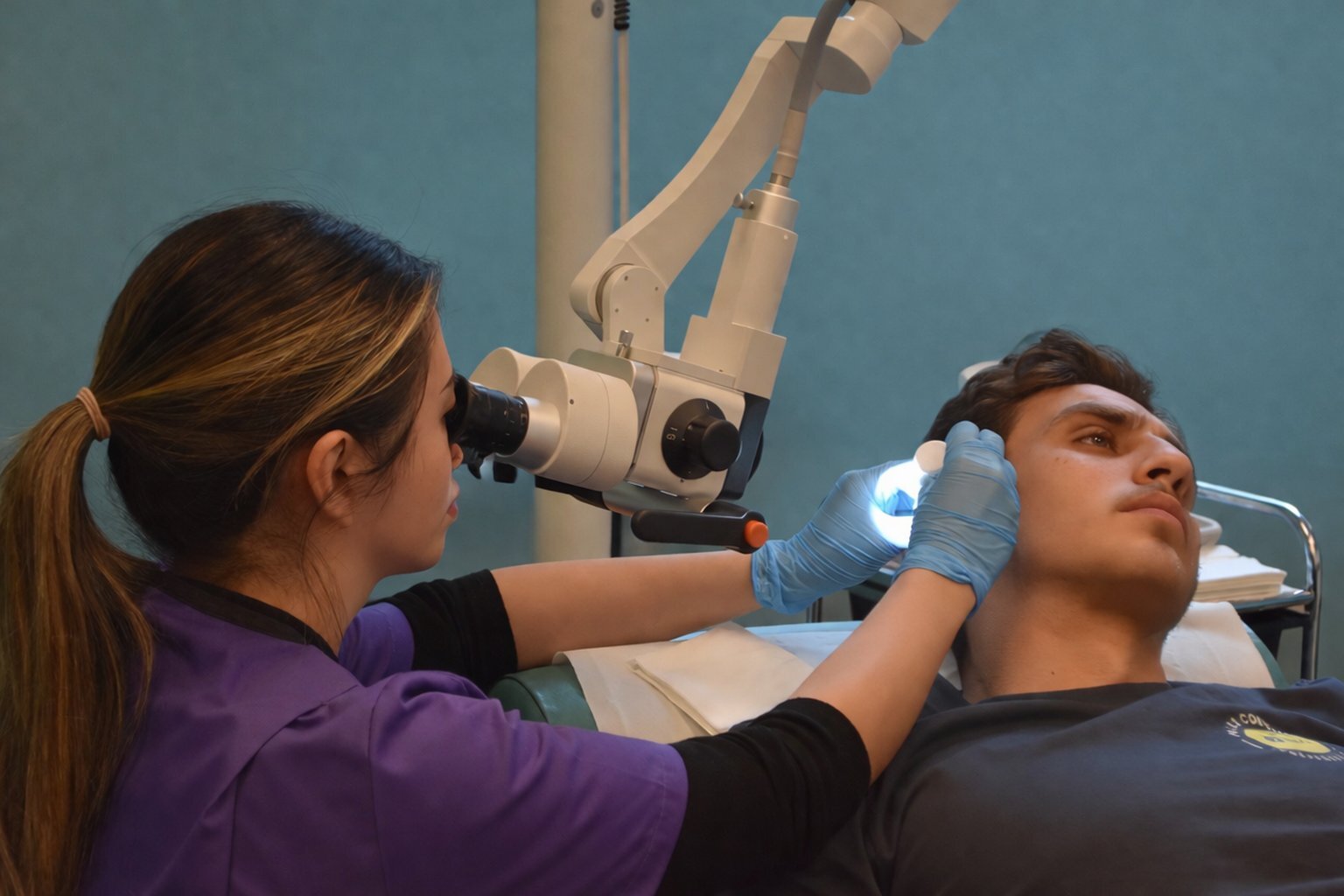
These symptoms could be caused by something as simple as earwax, which can be safely removed using microsuction in a regulated clinic environment. Ideally, you should have your ears cleaned before reaching the point of full blockage, because, at that point, you will start to experience discomfort. Early intervention makes a big difference.”