
On this page ▾
Key takeaways
- Emma Heming writes that Bruce Willis lost a large part of his hearing in one ear while filming Die Hard.
- She says hearing loss was an early explanation for his communication problems before his dementia diagnosis.
- Frontotemporal dementia mainly affects behaviour and language, and memory problems tend to come later.
- Hearing loss is a modifiable dementia risk factor, but a hearing test cannot diagnose dementia.
- If memory or behaviour is changing, see a GP and have your hearing checked too.
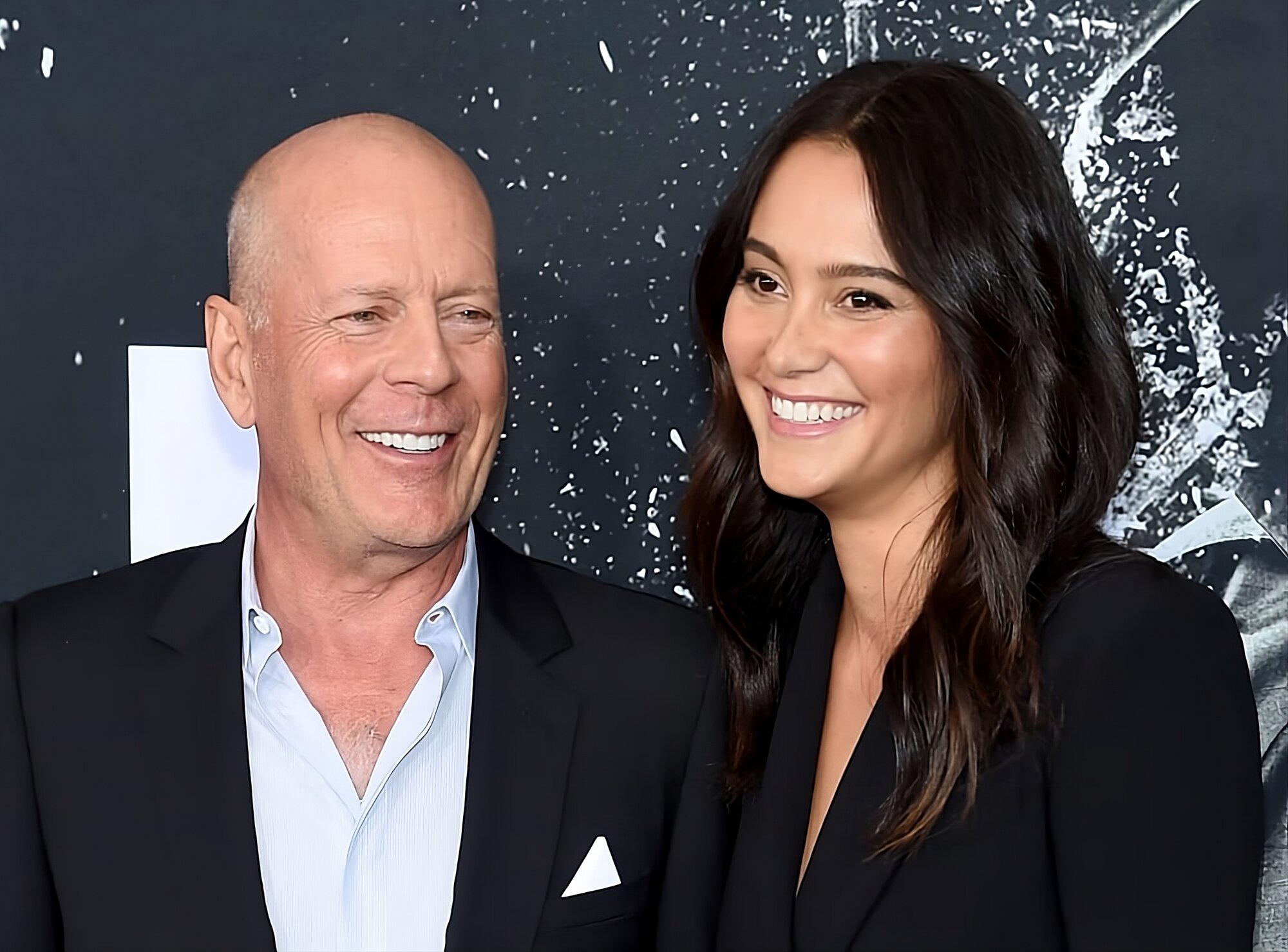
Bruce Willis's wife, Emma Heming, says he lost a large percentage of the hearing in one ear while filming the first Die Hard film, and that for years the family put his communication problems down to his hearing1. He was later diagnosed with frontotemporal dementia, which mainly affects behaviour and language, with memory problems tending to come later2. Hearing loss can make dementia harder to spot, but a hearing test cannot diagnose it.
In her book The Unexpected Journey: Finding Strength, Hope, and Yourself on the Caregiving Path, Heming writes that Willis had to fire a gun under a table during one scene without earplugs or any covering, and that he "lost a large percentage of his hearing in one ear"1.
Did hearing loss hide Bruce Willis's dementia symptoms?
Heming writes that she first wondered whether his withdrawal at family meals was down to his hearing, and later concluded it was something else. She describes "cognitive overload", meaning difficulty processing conversations, as an early symptom of his illness1.
The family announced in February 2023 that Willis has frontotemporal dementia2.
How can hearing loss and dementia look alike?
Heming notes that in caregiving situations, symptoms of dementia can easily be confused with those of other chronic conditions, such as hearing loss. “Different types of dementia can look very different,” she writes, urging families and clinicians to pay close attention to subtle shifts in communication and behaviour to avoid misdiagnosis.
Why does a hearing test matter?
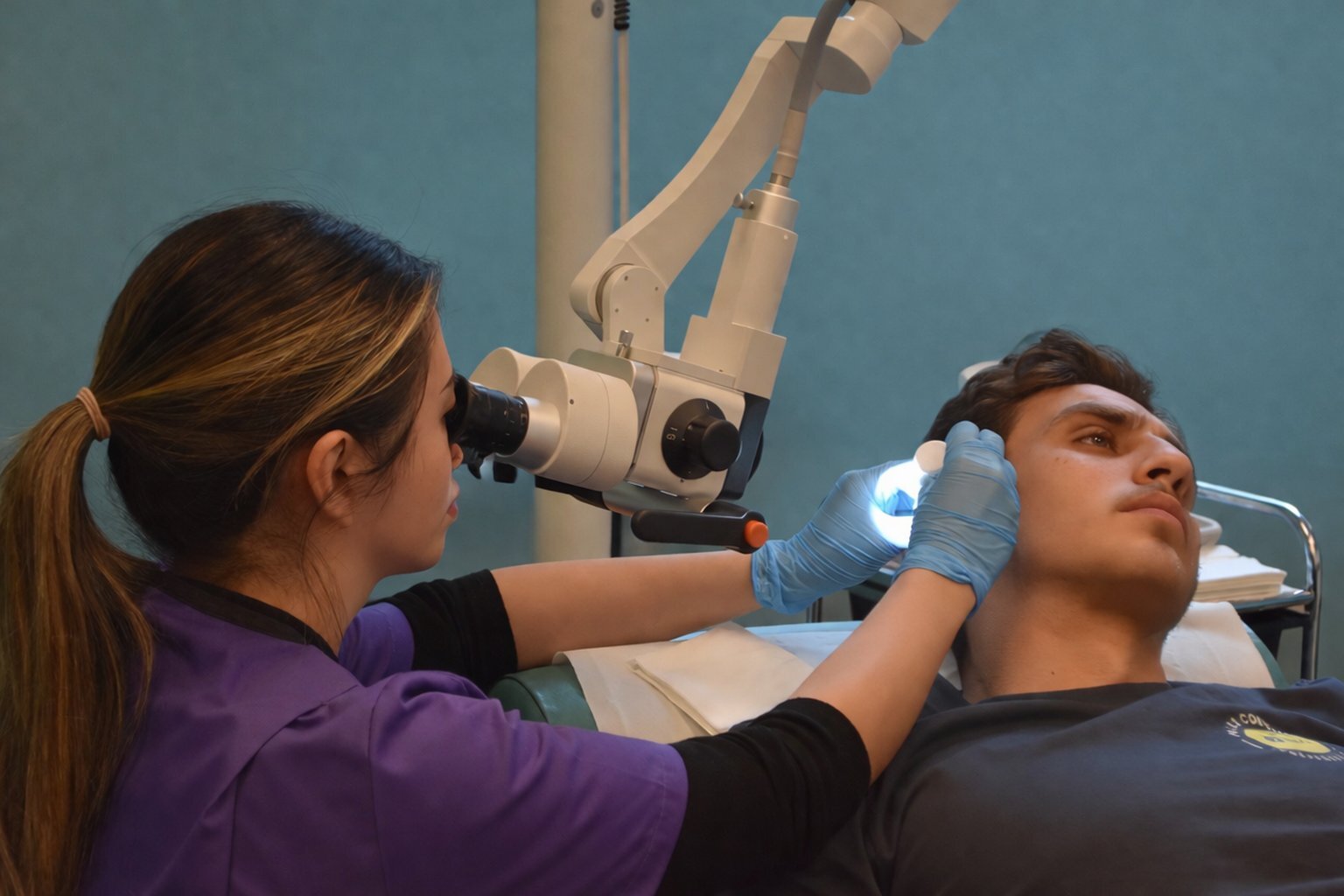
Hearing loss is one of 14 risk factors for dementia that the 2024 Lancet Commission lists as modifiable3. A hearing test cannot diagnose dementia, but Heming's message underlines the value of early assessment and timely medical support for both patients and carers. If you are worried about memory or behaviour changes, see a GP, and have your hearing checked too. If you are worried about someone close to you, you are not alone, and a hearing check is a gentle first step. A hearing test at any of our clinics shows how well you hear. Our reports on the 12-year Johns Hopkins study and on mild hearing loss and dementia risk look at the research.
“Hearing loss doesn’t just affect how we hear, it affects how we connect,” said Vincent Howard, Co-founder and Clinical Audiologist at Hearology. “In older adults, unaddressed hearing problems can mask or even exacerbate signs of cognitive decline. Getting a full hearing evaluation early on can make a critical difference, because a good Audiologist would be able to assess the extent to which hearing loss could be responsible for an individual’s changed behaviour.”

Frequently asked questions
Is Bruce Willis deaf?
When did Bruce Willis get dementia?
Can hearing loss be mistaken for dementia?
Can hearing loss cause dementia?
References:
- [1] E. Heming Willis, "Book excerpt: Emma Heming Willis on her unexpected journey," AARP, 2025. [Online]. Available:
- [2] NHS, "Frontotemporal dementia," NHS website. Accessed: Nov. 15, 2026. [Online]. Available:
- [3] G. Livingston et al., "Dementia prevention, intervention, and care: 2024 report of the Lancet standing Commission," The Lancet, vol. 404, no. 10452, pp. 572-628, Aug. 2024, doi: 10.1016/S0140-6736(24)01296-0.